
The short answer
Most chimney repairs in Prince's Bay come down to water getting into the masonry through cracked crowns, failed flashing, missing caps or worn mortar. EverHearth inspects the whole chimney first, then repairs the source of the problem. If you are converting a boiler from oil to gas, we also handle liner work.
Chimney repair in Prince's Bay usually starts with a problem a homeowner can see or smell: crumbling mortar on the crown, a stain on the ceiling beside the chimney, flakes of tile in the firebox, or a musty odor after rain. EverHearth Chimney Service repairs chimneys on homes throughout Prince's Bay, in ZIP codes 10309 and 10312, from our Staten Island office about 3 miles away. Our certified technicians find the cause first. Then we explain what needs fixing now and what can wait.
Chimney problems we see on Prince's Bay homes
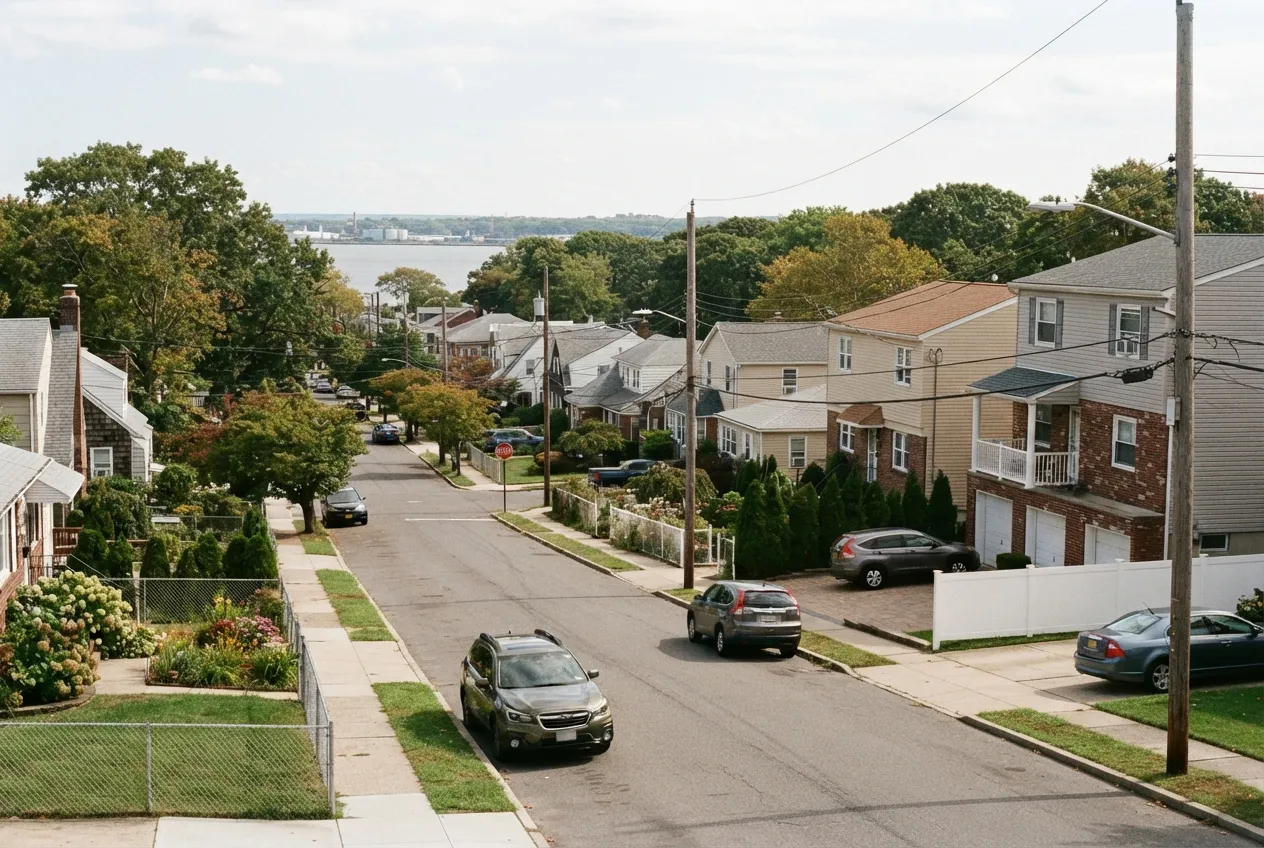
Most houses in Prince's Bay are detached or semi-attached homes. Many have masonry chimneys serving a fireplace, a boiler, or both. Brick and mortar take a steady beating from freeze-thaw cycles and wind-driven rain. Homes closer to the water also deal with damp, salty air. Small cracks let water in. That water freezes and expands, and the damage grows a little every winter.
Older homes may have unlined chimneys, or clay tile liners that have cracked over the decades. Newer homes often have prefabricated chimneys with metal flues and chase covers that can rust and leak. The most common repairs we handle include:
- Cracked or crumbling chimney crowns that let water into the flue and brick
- Loose, spalling or missing brick and eroded mortar joints
- Leaking flashing where the chimney meets the roof
- Damaged or missing chimney caps that let in rain, leaves and animals
- Cracked clay flue tiles or deteriorated liners
- Damaged firebox brick and dampers that no longer seal
Why every repair starts with an inspection
The NFPA 211 standard calls for chimneys, fireplaces and vents to be inspected once a year. An inspection is also the right first step before any repair.
Chimney professionals use three inspection levels: - A Level 1 inspection fits when nothing about the system has changed. - A Level 2 inspection applies when the system changes, such as a new appliance or a switch of fuel, or when the home is being sold. - A Level 3 inspection is used when a hidden hazard can only be reached by opening part of the chimney or the building.
When you call about a leak or visible damage, we look at the whole chimney, not only the spot you noticed. A stain inside can come from the flashing, a cracked crown, porous brick or a missing cap. Patching the wrong one leaves the leak in place. Other signs worth a call include: - White staining on the brick - Rust on the damper - Smoke drifting into the room - Pieces of tile or mortar collecting at the base of the flue
Oil-to-gas conversions and chimney liners
Some Prince's Bay homeowners are replacing older oil boilers with gas. When a New York City building converts from oil to gas, the chimney has to be evaluated as part of the work. A new liner is often needed, because gas exhaust produces acidic condensate that can corrode a masonry flue.
We size the liner to the appliance it will serve. A flue that is too large or too small can cause poor draft and more condensation. If you are planning a conversion, bring us in early. That way the liner work can be coordinated with your heating contractor instead of being discovered at the end of the job.
Planning repairs around the heating season
New York City's heat season runs from October 1 through May 31. If your chimney vents a boiler or furnace, repairs that take the flue out of service are easier to schedule in late spring or summer. Masonry work also cures better in mild weather.
If you notice damage in the fall or winter, don't wait until spring to ask about it. We can tell you whether it is reasonable to keep using the appliance or fireplace while repairs are planned. We can also tell you if it should be shut down until the work is done.
What to expect from a repair visit
We keep the process straightforward and explain each step:
- An inspection from the firebox or appliance connection up to the cap
- Photos of the problem areas so you can see what we see
- A clear explanation of the repairs, sorted by what is urgent and what can wait
- Repairs made with materials suited to your chimney and the appliance it serves
- A final check that the flue drafts properly and the work area is left clean
More services in Prince’s Bay
- Chimney Sweep in Prince’s Bay
- Chimney Inspection in Prince’s Bay
- Air Duct Cleaning in Prince’s Bay
- Chimney Liner Installation in Prince’s Bay