
The short answer
A Prince's Bay home usually needs a new chimney liner when the old one is cracked or missing, when a boiler or furnace switches from oil to gas, or when a new heating appliance or wood stove is installed. EverHearth inspects the flue first, then installs a liner sized to the appliance so exhaust vents safely and the masonry is protected.
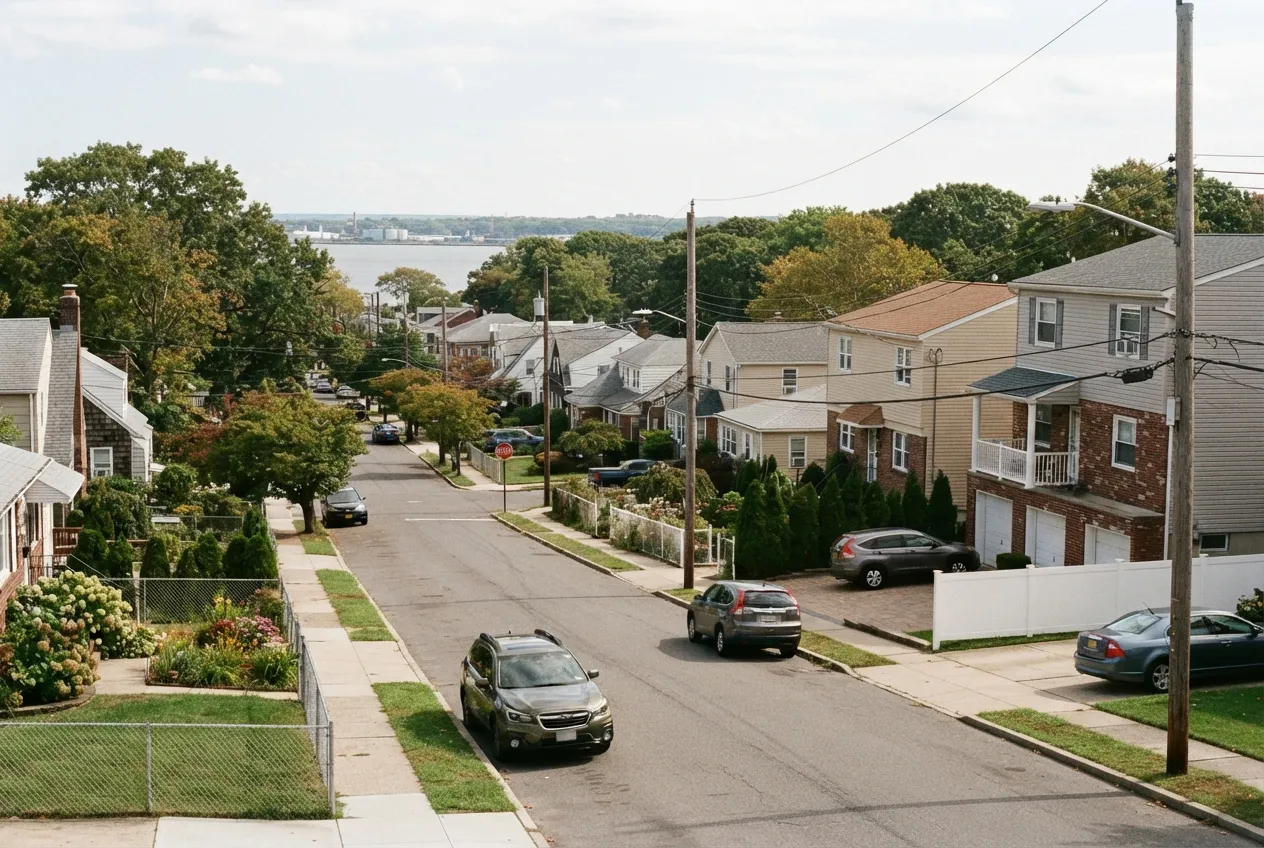
A chimney liner is the channel inside your chimney that carries smoke and exhaust out of the house. It also keeps heat, moisture and acidic byproducts away from the brick and wood framing around the flue. In Prince's Bay, many homes are detached houses built across several decades. Their liners range from original clay tile to metal liners added during a heating upgrade, and some older chimneys have no working liner at all. EverHearth Chimney Service installs liners for homes in Prince's Bay and the 10309 and 10312 ZIP codes, about 3 miles northeast of our Staten Island office. Our certified technicians size each liner to the appliance it serves and check the whole flue before and after the work.
Signs Your Prince's Bay Chimney Needs a New Liner
Liner problems are rarely visible from inside the house. Most are found during an inspection, when a technician runs a camera down the flue or looks at it from the top. The NFPA 211 standard calls for chimneys, fireplaces and vents to be inspected once a year, and that yearly check is often when a damaged liner first turns up.
Some warning signs are easier for homeowners to notice. If you see any of the following, schedule an inspection before the next heating season.
- Pieces of clay tile, flaky masonry or rust falling into the fireplace, boiler connection or cleanout
- Water stains, peeling paint or damp spots on walls near the chimney
- White staining on the outside brick, which can point to moisture moving through the masonry
- A smoky fireplace or a heating system that struggles to vent properly
- An older chimney with no visible liner at the top of the flue
Oil-to-Gas Conversions and New Heating Equipment
Many Staten Island homes have moved from oil heat to gas. When a New York City building converts its boiler from oil to gas, the chimney has to be evaluated as part of the work. A new liner is often needed because gas exhaust produces acidic condensate that can corrode a masonry flue. An old clay liner that served an oil burner for years may not hold up once it carries gas exhaust.
A fuel switch or a new appliance is also the point where the inspection level changes. Chimney professionals use a Level 2 inspection when the system changes, such as a new boiler, furnace, water heater or wood stove, or when a home is sold. If a hidden problem can only be reached by opening part of the chimney or wall, a Level 3 inspection may be needed. We coordinate with your heating contractor so the liner matches the new equipment's size and venting requirements.
Liner Options for Prince's Bay Homes
The right liner depends on what the chimney serves and the shape and condition of the flue. A liner that is too large can let exhaust cool and condense. A liner that is too small can restrict draft. Our technicians measure the flue and review the appliance specifications before recommending anything.
- Stainless steel liners for gas, oil and wood-burning appliances, chosen in the grade that suits the fuel
- Insulated liners where the chimney needs added protection for nearby framing or better draft
- Liners sized for a single appliance, or separate flues where a boiler and water heater should not share one
- A new chimney cap installed with the liner to keep out rain, debris and animals
What to Expect During Installation
Most liner jobs follow the same basic order. We explain what we found and what we recommend before any work starts, so you can make a decision with clear information.
- Inspection of the chimney and flue, including a camera view where needed
- Cleaning the flue so the new liner goes into a clear passage
- Measuring and fitting the liner from the top of the chimney down to the appliance connection
- Connecting the liner to the appliance and sealing the top with a cap
- A final check of the connection and draft, with photos of the finished work when possible
Plan Around the Heat Season
New York City's heat season runs from October 1 through May 31. During those months, owners of rental properties must keep apartments heated to the city's minimum temperatures, and most households rely on their boiler or furnace every day. Liner work means the appliance is off for part of the job. Late spring and summer are the easiest times to schedule it, especially if it is part of an oil-to-gas conversion.
We also serve homeowners in nearby Annadale, Huguenot, Woodrow, Arden Heights and Rossville. If you are planning a heating change, contact EverHearth early so the chimney evaluation and liner installation fit your contractor's timeline.
More services in Prince’s Bay
- Chimney Sweep in Prince’s Bay
- Chimney Inspection in Prince’s Bay
- Chimney Repair in Prince’s Bay
- Air Duct Cleaning in Prince’s Bay