
The short answer
Yes, EverHearth Chimney Service works in Great Kills (ZIP 10308) and nearby South Shore neighborhoods. We sweep, inspect and repair chimneys, install liners, and clean dryer vents and air ducts. Plan an annual inspection, ideally before heat season starts on October 1.
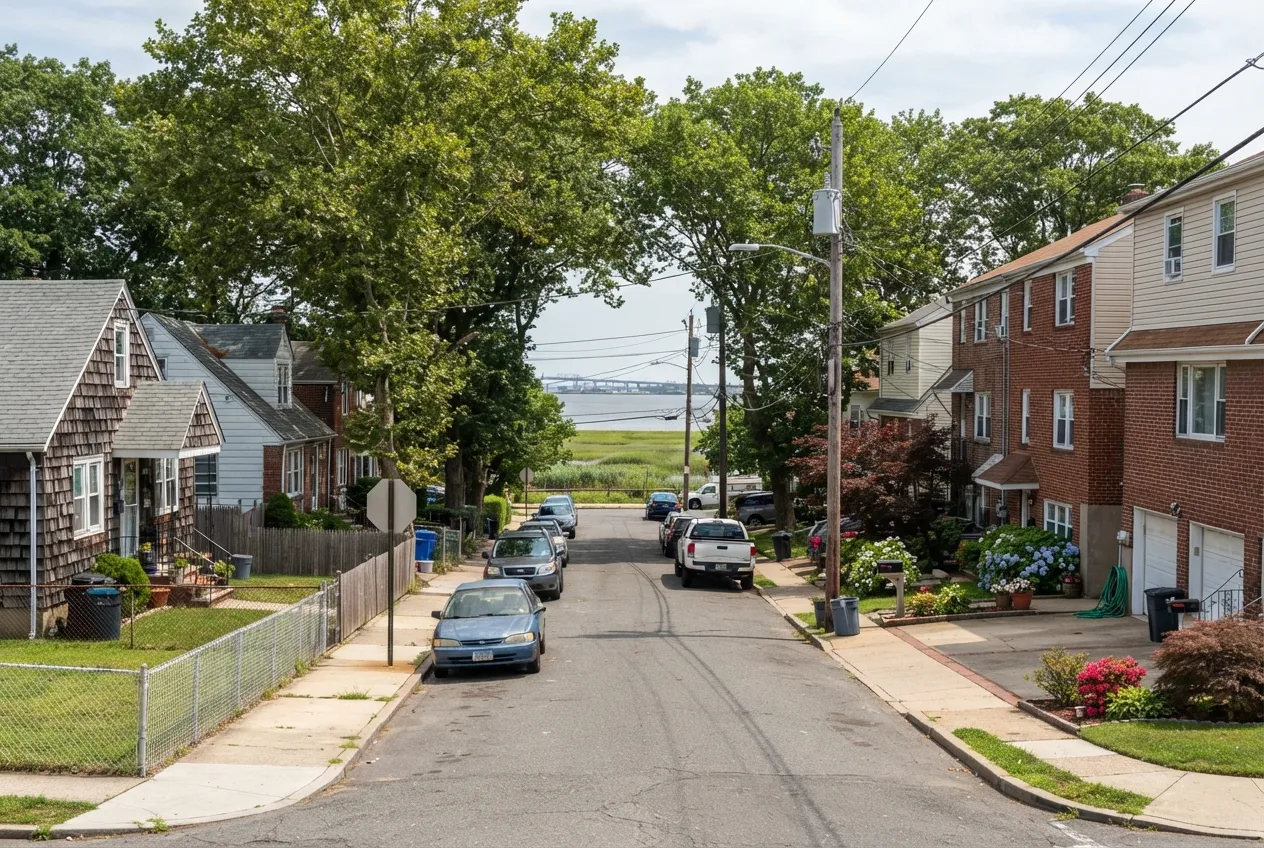
Great Kills is one of the South Shore neighborhoods EverHearth Chimney Service covers regularly. It's about 6 miles from our Staten Island office. Homes in ZIP code 10308 range from detached single-family houses to two-family and attached homes. Many rely on a masonry chimney for a fireplace, a boiler or a water heater. Our certified technicians sweep, inspect and repair chimneys here, and we also clean air ducts and dryer vents. This page covers what we see in local homes and how to plan service around Staten Island's weather.
Chimney care for Great Kills homes
Most houses in Great Kills are detached or semi-attached homes. Many have a brick chimney that serves a fireplace, a heating appliance or both. Some of these chimneys have been in service for decades and have outlasted a boiler or two. That matters, because a flue sized and lined for one appliance may not suit the next one.
The NFPA 211 standard calls for chimneys, fireplaces and vents to be inspected once a year. A Level 1 inspection fits when nothing about the system has changed. A Level 2 inspection is the right choice when you install a new appliance, switch fuels, or buy or sell a home. A Level 3 inspection is for cases where a hidden hazard can only be reached by opening part of the chimney or the building.
- Chimney sweep
- Chimney inspection
- Chimney repair
- Chimney liner installation
- Chimney cap and chase cover
- Chimney waterproofing
- Fireplace and damper repair
- Chimney rebuilding
- Dryer vent cleaning
- Air duct cleaning
How South Shore weather wears on chimneys
Great Kills sits on Staten Island's South Shore, close to the water. Salt air, wind-driven rain from coastal storms and winter freeze-thaw cycles all wear on masonry. Water soaks into brick and mortar joints, freezes, expands and slowly pushes material apart. Over time you may see loose bricks, a cracked crown, flaking brick faces or leaks around the chimney inside the house.
A properly fitted chimney cap keeps rain, debris and animals out of the flue. A chase cover does the same job for framed chimneys. On sound masonry, a breathable water repellent helps brick shed water while still letting moisture escape. When the damage has gone too far, we repoint mortar joints, rebuild the crown or rebuild the chimney above the roofline.
Converting from oil to gas heat
Many Staten Island homes have switched from oil heat to gas. When a New York City building converts its boiler from oil to gas, the chimney has to be evaluated as part of the work. A new liner is often needed. Gas exhaust produces acidic condensate that can corrode a masonry flue.
We inspect the existing flue and confirm whether it can safely vent the new equipment. If it can't, we install a correctly sized liner. Sorting this out before the conversion starts helps you avoid delays once the new boiler is ready.
Timing service around heat season
New York City's heat season runs from October 1 through May 31. During that time, building owners must keep apartments heated to the city's minimum temperatures. If you own a two-family house or rent out a unit, a chimney problem in January is more than an inconvenience. Booking your sweep and inspection in late spring or summer leaves time for repairs before the boiler is running full time.
Fireplace owners benefit from the same timing. Damper repairs, firebox fixes and liner work are easier to schedule before the first cold snap.
Dryer vents and air ducts
According to the U.S. Fire Administration, failure to clean is the leading factor contributing to clothes dryer fires in homes. Common trouble spots include long vent runs, crushed foil ducts, and vents that run through a crawl space or exit through the roof. If loads are taking longer to dry or the laundry area feels hot, the vent is probably due for cleaning.
For air ducts, we follow the U.S. EPA's guidance. Cleaning makes sense when there is substantial visible mold growth, vermin, or excessive dust and debris. The EPA also notes that duct cleaning has not been shown to prevent health problems. It encourages homeowners to research the process before responding to very cheap advertised offers and to be careful with chemical treatments. We'll tell you plainly whether your system needs cleaning.
Nearby neighborhoods we also serve
Along with Great Kills, we work throughout the surrounding area, including Eltingville, Arden Heights, Rossville, Annadale and Huguenot. Homes across these neighborhoods face the same coastal weather and many of the same chimney and venting problems, so the advice on this page applies there too.
ZIP codes we serve
- 10308
Services in Great Kills
- Chimney Sweep in Great Kills
- Chimney Inspection in Great Kills
- Chimney Repair in Great Kills
- Air Duct Cleaning in Great Kills
- Chimney Liner Installation in Great Kills