
The short answer
EverHearth repairs chimney masonry, crowns, flashing, caps and flue liners on homes in Great Kills, Staten Island. Every repair starts with an inspection to find where water, heat or exhaust is getting through, and the work is matched to that cause.
Chimney repair in Great Kills usually starts with something a homeowner notices: a water stain on the ceiling beside the fireplace, crumbled mortar on the roof or in the yard, or a smoky smell that gets worse after rain. EverHearth Chimney Service repairs masonry chimneys, crowns, flashing, caps and flue liners for homes throughout the 10308 ZIP code, about 6 miles from our Staten Island office. Our certified technicians find the cause first, then fix what is actually wrong rather than covering up symptoms.
Chimney Repairs We Handle in Great Kills Homes
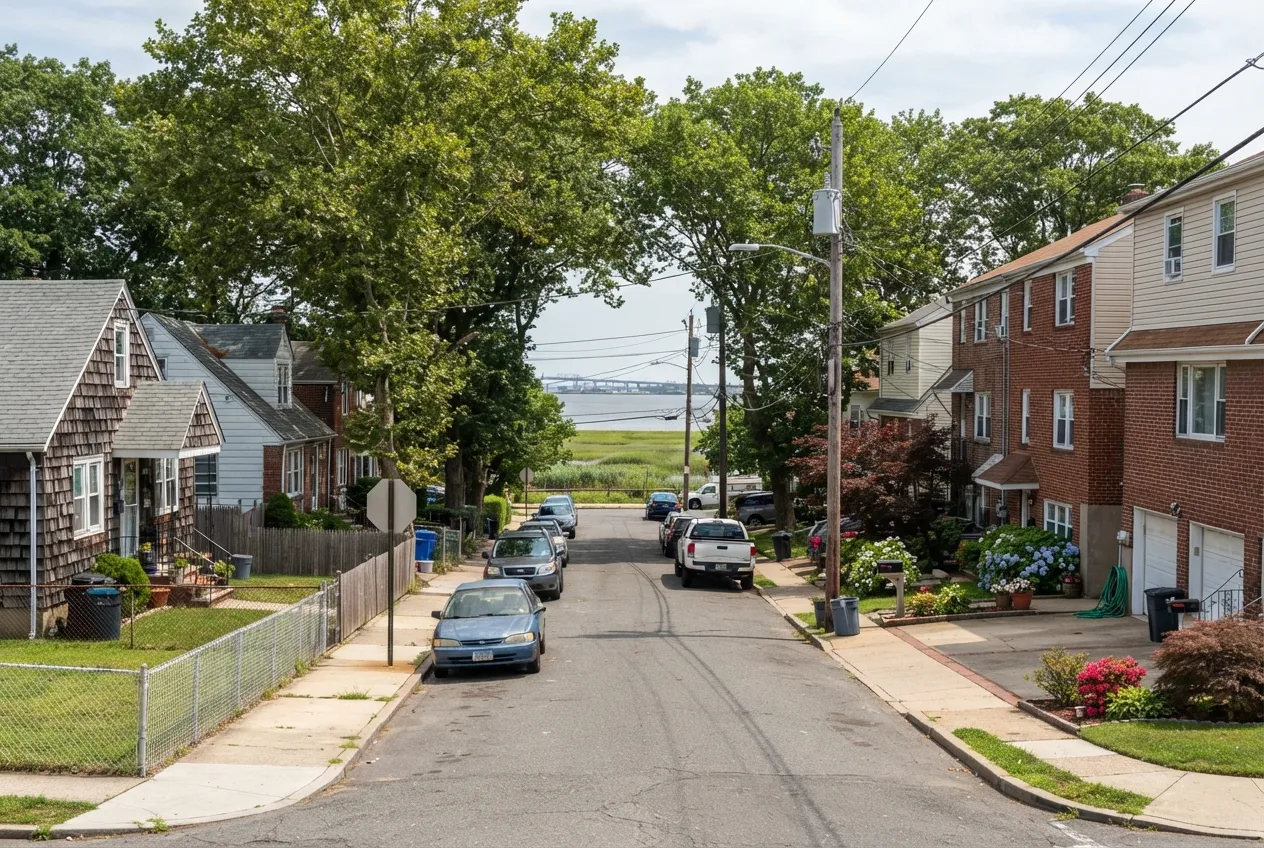
Great Kills is mostly detached and semi-detached houses. Some are older homes with brick chimneys that have been through many winters, and some are newer houses with factory-built fireplaces and metal flues. Each type wears out differently, so we look at how your chimney is built before recommending anything.
Most repairs we do in the neighborhood fall into a handful of categories:
- Repointing: replacing cracked or missing mortar joints so water stops getting into the brickwork
- Crown repair or rebuilding: fixing the concrete cap at the top of the chimney, which cracks and lets water run down inside
- Flashing repair: resealing or replacing the metal where the chimney meets the roof, a common source of ceiling leaks
- Chimney caps: installing or replacing caps that keep out rain, animals and debris
- Flue liner repair and relining: addressing cracked clay tiles or installing a new stainless steel liner
- Damper repair: fixing dampers that are stuck, rusted or no longer seal
How a Repair Visit Works
We start with an inspection, because the place where you see damage is often not where the problem begins. A stained ceiling might come from failed flashing, a cracked crown or porous brick, and each one calls for a different fix.
The NFPA 211 standard calls for chimneys, fireplaces and vents to be inspected once a year, and it describes three levels. A Level 1 inspection fits when nothing about the system has changed. A Level 2 inspection is used when something has changed, such as a new heating appliance or a switch in fuel, or when a home is being sold, and it usually includes a camera look inside the flue. A Level 3 inspection is only needed when a suspected hidden hazard can't be reached without opening part of the chimney or the building.
After the inspection, we explain what we found, show you photos where we can, and lay out the repair options. You decide what gets done.
Oil-to-Gas Conversions and Chimney Liners
Some Great Kills homes still heat with oil, and many owners are switching to gas. In New York City, the chimney has to be evaluated as part of a boiler conversion from oil to gas. A new liner is often needed, because gas exhaust produces acidic condensate that can corrode an unlined or clay-lined masonry flue over time.
If you're planning a conversion, it helps to bring us in early. We can inspect the flue, tell you whether the existing liner will work with the new equipment, and install a properly sized liner if it won't. That keeps the chimney from becoming a delay at the end of the project.
Planning Repairs Around Heating Season
New York City's heat season runs from October 1 through May 31. For homeowners who also rent out an apartment, the heating system needs to work dependably during those months, and a chimney problem that shuts down a boiler is a real headache in January.
Late spring and summer are usually the easiest times for masonry work. Mortar and crown repairs cure better in mild weather, and fixing water entry before winter keeps freeze-thaw cycles from making small cracks larger. If you've noticed problems during the cold months, schedule an inspection once the heat is off so repairs are finished before fall.
Signs Your Chimney Needs Repair
Call us for an inspection if you notice any of the following:
- Water stains on walls or ceilings near the chimney
- Loose bricks, gaps in mortar, or white staining on the brick face
- Pieces of clay tile or masonry in the firebox or at the base of the flue
- A rusted or damaged damper, or a missing chimney cap
- Damp, musty or smoky odors coming from the fireplace
- A chimney that leans or pulls away from the house
More services in Great Kills
- Chimney Sweep in Great Kills
- Chimney Inspection in Great Kills
- Air Duct Cleaning in Great Kills
- Chimney Liner Installation in Great Kills