
The short answer
A chimney sweep in Great Kills removes creosote, soot, and debris from your flue and checks for damage or blockages that can cause fires or push exhaust back into the house. The NFPA 211 standard calls for chimneys, fireplaces, and vents to be inspected once a year, and a sweep is usually done at the same visit.
If you have a fireplace, wood stove, or a boiler or furnace that vents through a chimney in Great Kills, a regular sweep is the simplest way to keep that flue clear and working. EverHearth Chimney Service sends certified technicians to homes throughout the 10308 ZIP code, about 6 miles northeast of our Staten Island office. Our sweeps remove soot and creosote, clear blockages, and look for problems that are hard to see from inside the house. We also explain what we find in plain terms so you can decide what, if anything, needs to happen next.
What a Chimney Sweep Covers in a Great Kills Home
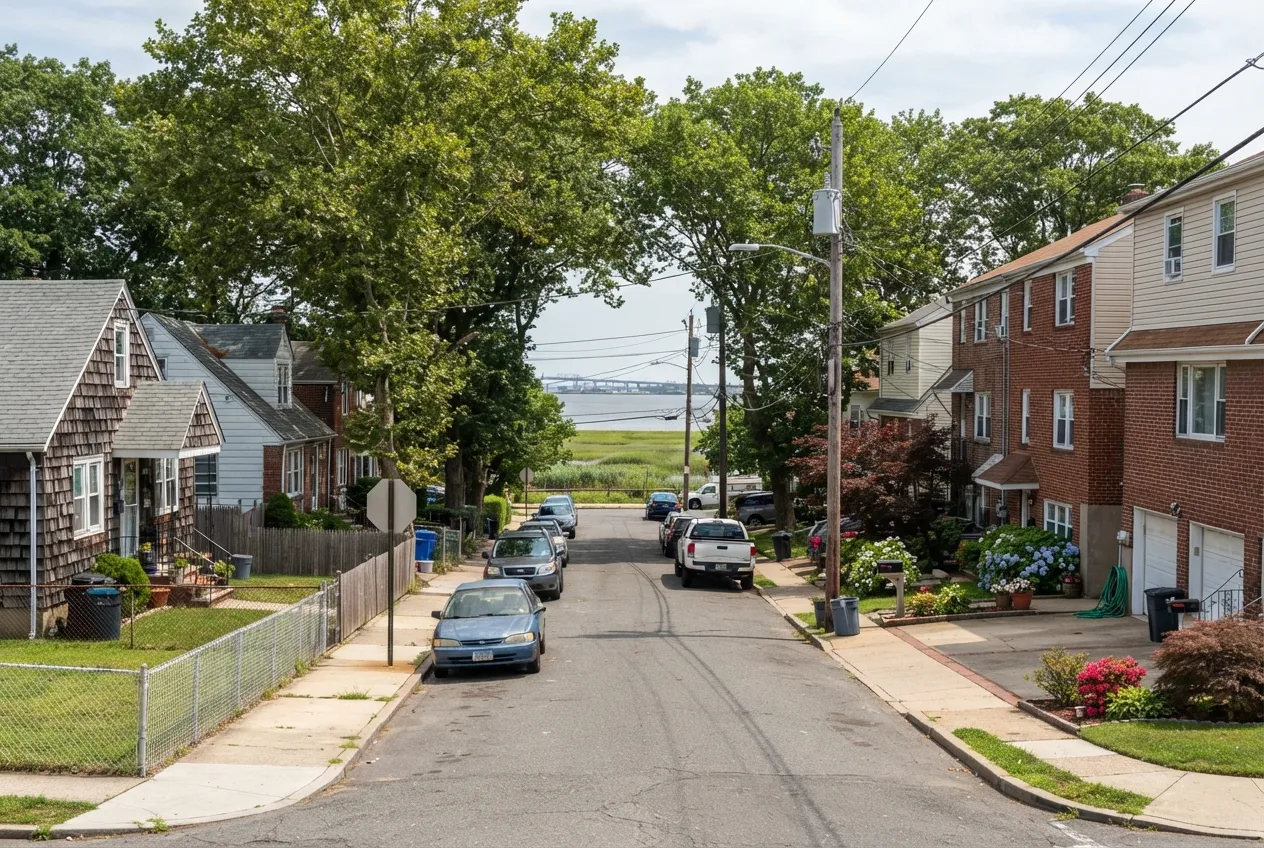
Great Kills is mostly detached and semi-detached houses, along with some attached homes and older frame houses. Many have a masonry chimney serving a fireplace, a heating appliance, or both. A sweep focuses on the parts of that system that collect buildup or get blocked over time.
On a typical visit, our technician works through the system from the firebox or appliance connection up to the top of the chimney:
- Brushing the flue to remove creosote and soot from the inside walls
- Cleaning the smoke chamber and smoke shelf above the damper
- Checking that the damper opens, closes, and seals properly
- Removing nests, leaves, and other debris that block airflow
- Looking at the chimney cap, crown, and visible masonry for cracks or gaps
- Noting signs of water entry, such as staining, rust, or flaking inside the firebox
Fireplaces, Stoves, and Heating Flues Need Different Attention
A wood-burning fireplace or stove builds up creosote, a tar-like residue that can ignite inside the flue. How fast it builds depends on how often you burn, what wood you use, and how well the fire draws. If you use your fireplace through the winter, expect heavier buildup than a home that lights a fire a few times a year.
A chimney that vents an oil or gas boiler or furnace collects different material, such as soot, scale, and flaking liner pieces, which can narrow the flue and affect how exhaust leaves the house. If your home has switched from oil to gas, or you are planning that change, the chimney should be evaluated as part of the work. Gas exhaust produces acidic condensate that can corrode a masonry flue, so a new liner is often needed. We can check whether your existing liner suits the appliance it now serves.
How Often to Have Your Chimney Swept and Inspected
The NFPA 211 standard calls for chimneys, fireplaces, and vents to be inspected once a year. Whether the flue also needs a full sweep depends on what the inspection finds, but most homes that burn regularly need one annually.
Chimney professionals use three inspection levels. A Level 1 inspection fits when nothing about the system has changed. A Level 2 inspection is called for when the system changes, such as installing a new appliance or switching fuel, or when the home is being sold. A Level 3 inspection is used when a hidden hazard has to be reached by opening part of the chimney or the building. Most routine sweeps in Great Kills go along with a Level 1 inspection, and we will tell you if something points to a higher level.
Timing Your Sweep Around the Heating Season
New York City's heat season runs from October 1 through May 31. If you own a two-family or multi-unit home in Great Kills and rent out an apartment, you are required to keep tenants heated to the city's minimums during that period, so a heating flue problem in midwinter is more than an inconvenience. Scheduling your sweep in late summer or early fall gives time to handle any repairs before you rely on the system every day.
Spring is also a good time, especially for wood-burning fireplaces. Cleaning out a season of creosote before warm, humid weather can cut down on the smoky smell that sometimes drifts out of a fireplace in summer.
What to Expect on the Day of Your Appointment
Our technicians protect the area around the fireplace or appliance and use equipment designed to keep soot contained inside the chimney. Please let any fire burn out completely and give the fireplace time to cool before we arrive. If we are working on a heating flue, we may need to shut the boiler or furnace down briefly.
When the work is done, we walk you through what we saw, show photos when they help, and explain any recommended repairs along with why they matter. Nothing beyond the sweep is done without your approval.
Besides Great Kills, we serve nearby Staten Island neighborhoods including Eltingville, Arden Heights, Rossville, Annadale, and Huguenot.
More services in Great Kills
- Chimney Inspection in Great Kills
- Chimney Repair in Great Kills
- Air Duct Cleaning in Great Kills
- Chimney Liner Installation in Great Kills