
The short answer
A chimney inspection in Prince's Bay checks the flue, liner, masonry, cap and appliance connections for damage, blockages and venting problems. The NFPA 211 standard calls for an inspection once a year. A more detailed level is used when you change appliances or fuel, sell the home, or suspect a hidden problem.
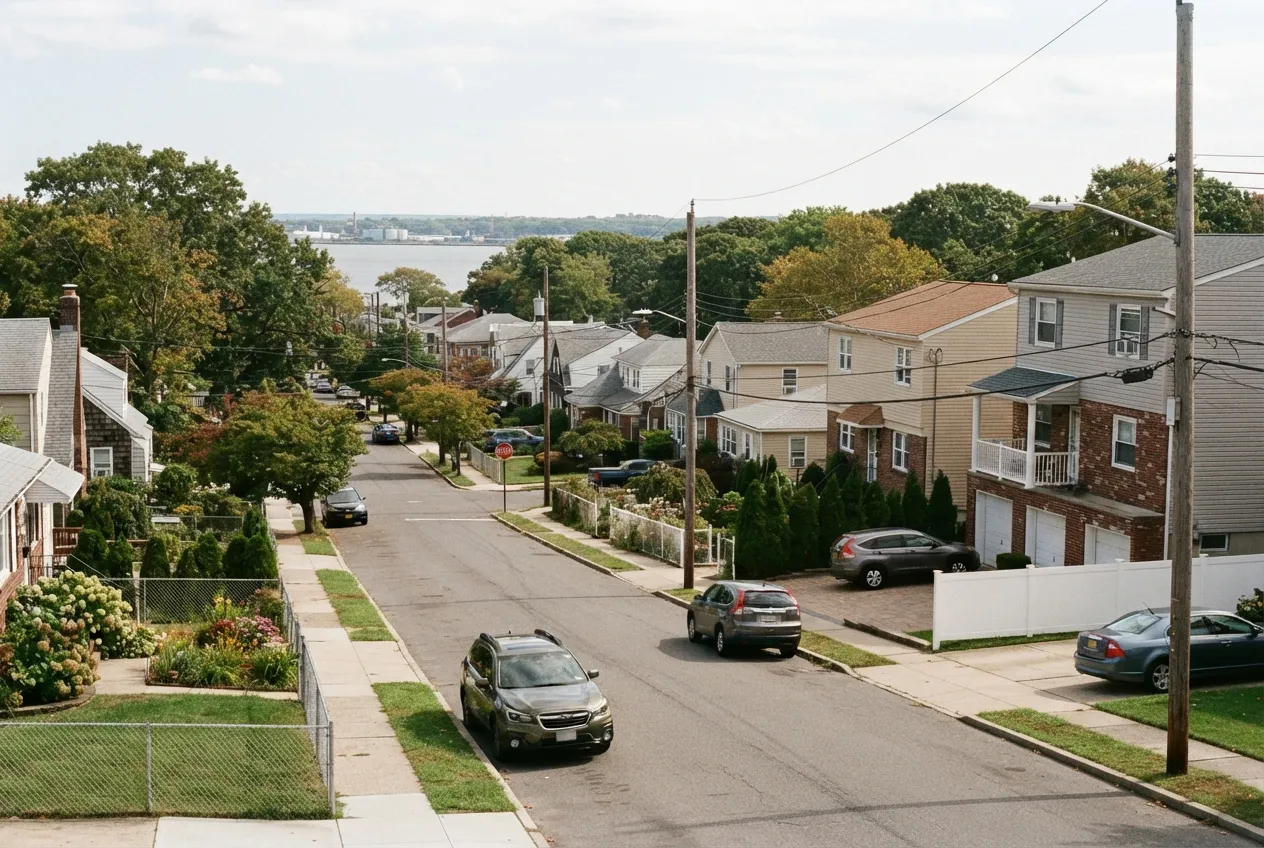
Prince's Bay sits on Staten Island's South Shore, about three miles northeast of our office. Most chimneys here belong to detached and semi-detached homes. Older houses often have wood-burning fireplaces, newer ones may have gas inserts, and many have masonry flues venting oil or gas boilers. EverHearth Chimney Service inspects all of these systems for homeowners in ZIP codes 10309 and 10312. Our certified technicians examine the whole venting path, from the appliance connection to the top of the chimney. They explain what they find in plain terms and separate what needs attention now from what can wait.
Why a Yearly Inspection Matters for Prince's Bay Homes
The NFPA 211 standard calls for chimneys, fireplaces and vents to be inspected once a year. That applies whether you burn wood every weekend or only run a boiler. A chimney can deteriorate without visible signs from inside the house. Cracked flue tiles, loose mortar joints and nesting debris usually show up only when someone looks up the flue and across the crown.
Homes close to the shoreline also take a lot of wind-driven rain and moisture. Over time, water that gets past a worn crown, a missing cap or failing flashing can loosen brick, stain ceilings and rust dampers. Catching that early keeps a small repair from turning into a rebuild.
Timing matters too. New York City's heat season runs from October 1 through May 31. If your boiler vents through a masonry chimney, schedule the inspection before October. That way any repairs are finished before the heating system runs every day.
Which Inspection Level Your Home Needs
Chimney professionals use three inspection levels. We recommend the one that fits your situation and explain why before we start.
- Level 1: The standard yearly check when nothing about the system has changed. We examine the accessible parts of the chimney, the fireplace or appliance connection, and the flue for obstructions and buildup.
- Level 2: Needed when the system changes, such as a new boiler, a new insert or a switch from oil to gas. It is also used when a home is being sold. It goes further than Level 1 and includes a camera inspection of the flue interior.
- Level 3: Used only when a hidden hazard has to be reached by opening part of the chimney or the building. One example is suspected damage behind a wall or chimney breast that the camera cannot fully assess.
What We Check During the Visit
An inspection covers the full system, not just the firebox. On a typical Prince's Bay home, our technician will look at:
- Flue liner condition, including cracked or missing tiles and gaps between sections
- Creosote and soot buildup in wood-burning fireplaces
- Blockages from nests, leaves or fallen masonry
- Smoke chamber, smoke shelf and damper operation
- Chimney crown, cap, flashing and exterior brick and mortar
- Boiler or furnace connector pipe and how it joins the chimney
- Clearances between the chimney and nearby wood framing where they can be seen
Converting From Oil to Gas? Have the Chimney Evaluated First
Many Staten Island homes have moved or are moving from oil heat to gas. When a New York City building converts its boiler from oil to gas, the chimney has to be evaluated as part of the work. A new liner is often needed. Gas exhaust produces acidic condensate, and that moisture can corrode an unlined or tile-lined masonry flue from the inside.
A conversion is one of the situations that calls for a Level 2 inspection. We check whether the existing flue is sized and lined properly for the new appliance. You can share our findings with your heating contractor so the liner question is settled before the new boiler goes in.
After the Inspection
Before we leave, the technician walks you through the results. That includes what is in good shape, what needs cleaning or repair, and anything that should not be used until it is fixed. If we recorded camera footage, we can show you what we saw inside the flue.
We also serve nearby neighborhoods, including Annadale, Huguenot, Woodrow, Arden Heights and Rossville. If you have a second property close by, we can schedule both inspections on the same trip.
More services in Prince’s Bay
- Chimney Sweep in Prince’s Bay
- Chimney Repair in Prince’s Bay
- Air Duct Cleaning in Prince’s Bay
- Chimney Liner Installation in Prince’s Bay