
The short answer
EverHearth repairs chimneys in Huguenot, including mortar, crowns, flashing, bricks, dampers, caps and flue liners. We inspect first so the repair matches the actual problem, and we recommend scheduling masonry work outside the October-to-May heat season when possible.
Chimney repair in Huguenot usually starts with something a homeowner notices: a stain on the ceiling near the chimney, bits of brick or mortar on the roof, a rusty damper, or a fireplace that smells musty after rain. EverHearth Chimney Service repairs masonry chimneys, flues and the parts around them for homes across Huguenot, in ZIP codes 10309 and 10312. Our office is about 3 miles away, so getting a certified technician out to look at the problem is straightforward. We explain what we find, show you photos, and tell you what needs attention now and what can wait.
Chimney Repairs We Handle on Huguenot Homes
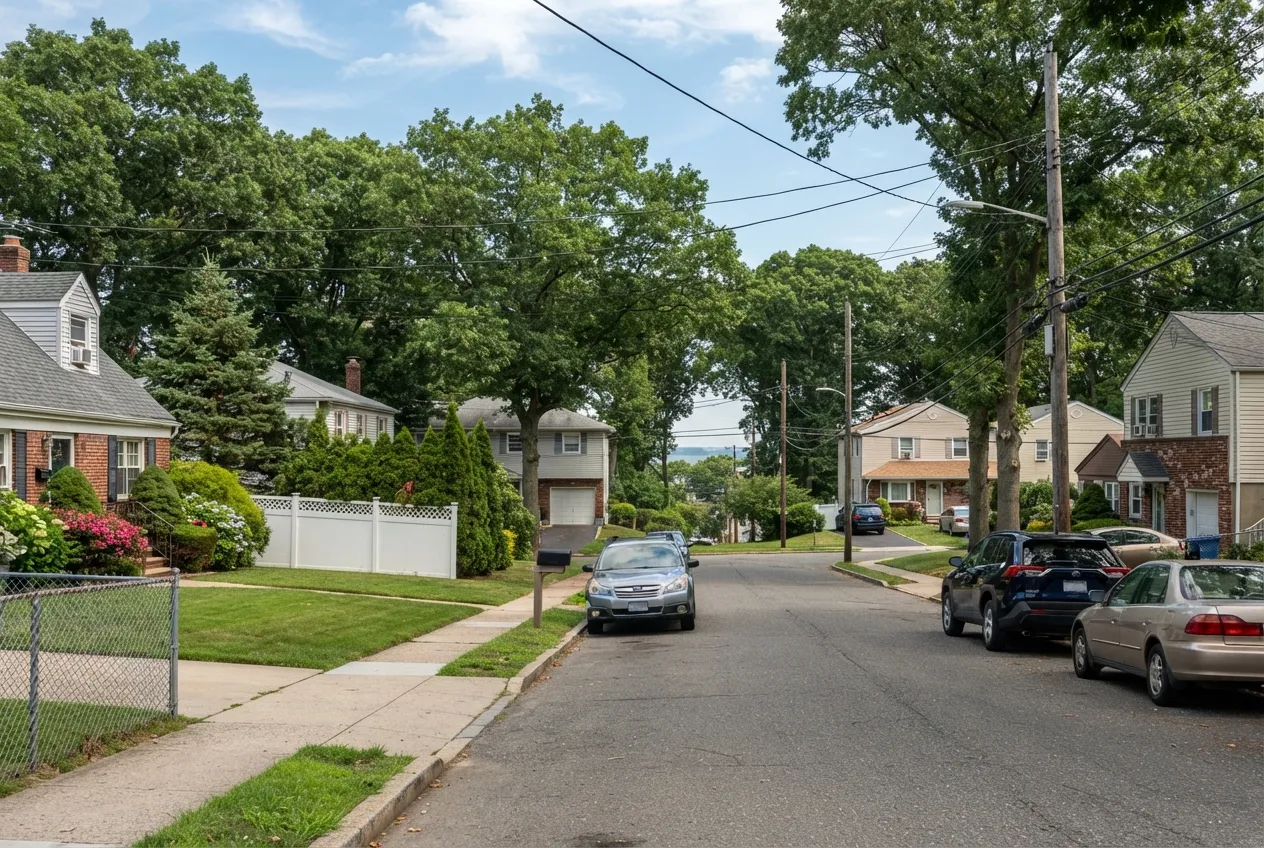
Huguenot is mostly detached houses, a mix of older homes and newer construction. Chimneys on these houses take the full force of Staten Island weather, including wind-driven rain, snow, and repeated freezing and thawing through the winter. Water is behind most of the damage we repair. Once it gets into brick, mortar or the crown, each freeze widens the cracks a little more.
Not every leak near a chimney comes from the chimney itself. If we find that the source is the roof or siding, we will tell you instead of selling you a chimney repair you don't need.
- Repointing: grinding out cracked or missing mortar joints and replacing them with fresh mortar
- Crown repair or rebuilding when the concrete cap on top of the chimney is cracked or crumbling
- Replacing spalled bricks whose faces have flaked off
- Flashing repair where the chimney meets the roof, a common source of interior leaks
- Chimney caps to keep out rain, animals and debris
- Damper repair or replacement, including top-sealing dampers
- Firebox repair, such as replacing cracked firebrick and failed mortar joints
- Partial or full rebuilds above the roofline when the masonry is too far gone to patch
Why We Inspect Before We Repair
A good repair starts with knowing what is actually wrong. The NFPA 211 standard calls for chimneys, fireplaces and vents to be inspected once a year, and chimney professionals use three inspection levels. A Level 1 inspection is used when nothing about the system has changed. A Level 2 inspection is called for when the system changes, such as a new appliance or a switch of fuel, or when a home is sold. A Level 3 inspection is used when a hidden hazard has to be reached by opening part of the chimney or the building.
For most repair calls, we check the exterior masonry, the crown, the flashing and the flue, often with a camera inside the flue. You get a written description of the chimney's condition and a clear list of recommended repairs in order of priority.
Flue Liners and Oil-to-Gas Conversions
Many Staten Island homes have changed heating systems over the years, and the chimney often gets overlooked. When a New York City building converts its boiler from oil to gas, the chimney has to be evaluated as part of the work. A new liner is often needed, because gas exhaust produces acidic condensate that can corrode a masonry flue from the inside.
Signs of a damaged flue include pieces of broken tile at the base of the chimney, white staining on the outside brick, and moisture around the boiler connection. We install liners sized to the appliance they serve, and we can coordinate with your heating contractor if a conversion is underway.
Planning Repairs Around the Heating Season
New York City's heat season runs from October 1 through May 31. If your chimney vents a boiler or furnace, that is when it works hardest, and it is the worst time to discover a blocked or failing flue. We suggest scheduling inspections and masonry work in late spring or summer, when mortar cures well and going without heat for a day is not a hardship.
Some problems should not wait for a convenient season. If you see smoke or smell fumes in the house, or hear masonry falling inside the flue, stop using the fireplace or appliance and contact us for service. If a carbon monoxide alarm sounds, leave the house and call 911 first.
Serving Huguenot and Nearby Neighborhoods
We work throughout Huguenot and nearby neighborhoods, including Annadale, Prince's Bay, Woodrow, Arden Heights and Rossville. Your home may have a brick chimney serving a fireplace, a flue venting a boiler, or both. Either way, our technicians look at the whole system and tell you plainly what it needs.
More services in Huguenot
- Chimney Sweep in Huguenot
- Chimney Inspection in Huguenot
- Air Duct Cleaning in Huguenot
- Chimney Liner Installation in Huguenot