
The short answer
EverHearth repairs chimney crowns, flashing, mortar joints, caps, dampers and flue liners for homes in Charleston, Staten Island. Every repair starts with an inspection so you know exactly what is damaged and why before any work begins.
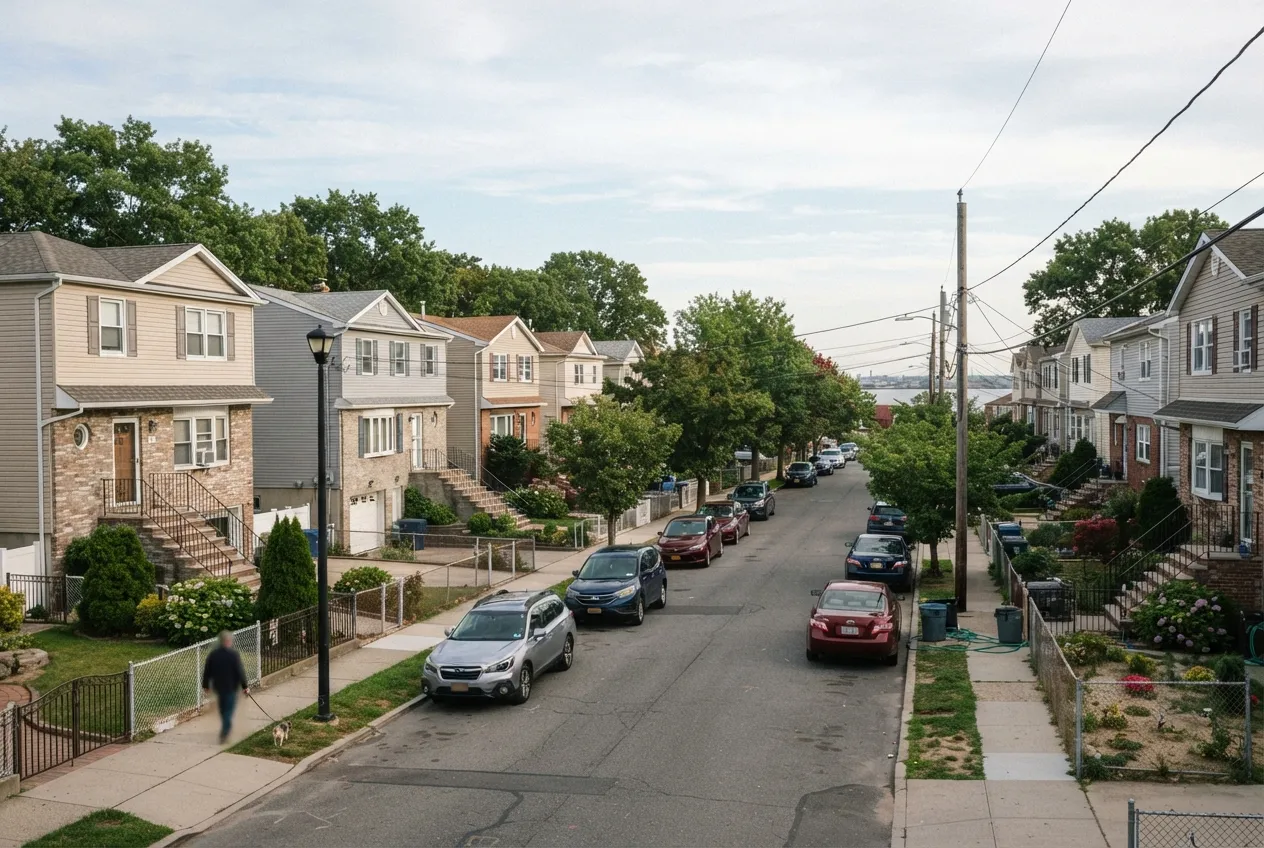
Most chimney damage in Charleston starts small: a hairline crack in the crown, a gap where the flashing meets the roof, or a few mortar joints that have gone soft and sandy. After a few winters of rain soaking into the masonry and freezing, a minor fix can become a partial rebuild. EverHearth Chimney Service repairs chimneys on detached and semi-attached homes throughout Charleston and the 10307 ZIP code, from a few feet of repointing to a full liner replacement. Charleston is close to our Staten Island office, so scheduling an inspection is simple. Our certified technicians inspect first, show you photos of what they found, and explain which repairs need attention now and which can be planned for later.
Signs your Charleston chimney needs repair
Chimney problems rarely announce themselves inside the house until water or smoke shows up. Many homeowners only notice an issue when a ceiling stain appears near the chimney or the fireplace starts to smell musty after a storm. Walking around the outside of your home and looking up at the chimney a couple of times a year can catch problems early.
Call for an inspection if you notice any of the following:
- Water stains on ceilings or walls next to the chimney, or dampness inside the firebox
- Brick faces that are flaking, crumbling or popping off (spalling)
- Mortar joints that are recessed, cracked or missing
- White, chalky staining on the brick, a sign water is moving through the masonry
- A cracked or broken crown, or a missing or rusted chimney cap
- Pieces of clay tile or debris falling into the fireplace or cleanout
- A damper that sticks, will not close, or lets in drafts
Repairs we handle on Charleston homes
Charleston's housing is largely detached and semi-attached homes, many with exterior masonry chimneys serving a fireplace, a boiler or a furnace. These chimneys face wind-driven rain, snow and repeated freeze-thaw cycles every winter, and most repairs we make come back to keeping water out of the brick.
Typical work includes repointing deteriorated mortar joints, replacing damaged bricks, rebuilding or sealing cracked crowns, resealing or replacing flashing where the chimney meets the roof, installing chimney caps to keep out rain and animals, and repairing or replacing fireplace dampers. When the damage is near the top of the chimney, a partial rebuild from the roofline up is sometimes the most lasting fix, and we will explain why if we recommend it.
Flue liner repair and oil-to-gas conversions
The liner inside your chimney protects the surrounding masonry and house framing from heat and corrosive exhaust. Cracked clay tiles, missing mortar between tiles, or a deteriorated liner can let hot gases and condensation reach places they should not.
Liner problems are common after a heating conversion. When a New York City building converts its boiler from oil to gas, the chimney has to be evaluated as part of the work, and a new liner is often needed because gas exhaust produces acidic condensate that can corrode a masonry flue. If you are planning a conversion or have already switched fuels, we can evaluate the flue and install a properly sized liner for the new appliance.
How a chimney repair visit works
The NFPA 211 standard calls for chimneys, fireplaces and vents to be inspected once a year. We start every repair job with an inspection at the level the situation calls for. A Level 1 inspection fits when nothing about the system has changed. A Level 2 inspection applies when the system changes, such as a new appliance or a switch of fuel, or when the home is being sold, and it usually includes a camera scan of the flue. A Level 3 inspection is reserved for cases where a hidden hazard can only be reached by opening part of the chimney or building.
After the inspection, we walk you through the findings with photos, describe the repair options, and answer questions before scheduling the work.
Timing repairs around heating season
New York City's heat season runs from October 1 through May 31, and boilers and furnaces depend on a sound, clear chimney the whole time. Masonry work like repointing and crown repair goes best in milder weather, so late spring through early fall is the ideal window. That said, a cracked liner or a blocked flue serving a heating appliance should be dealt with as soon as it is found, whatever the season.
Along with Charleston, we repair chimneys in nearby Tottenville, Annadale, Huguenot, Prince's Bay and Woodrow.
More services in Charleston
- Chimney Sweep in Charleston
- Chimney Inspection in Charleston
- Air Duct Cleaning in Charleston
- Chimney Liner Installation in Charleston