
The short answer
Chimneys, fireplaces and vents should be inspected once a year under the NFPA 211 standard, and Charleston homes are no exception. Most homeowners need a basic Level 1 inspection. A Level 2 is the right choice if you've changed fuel or appliances, or if you're buying or selling.
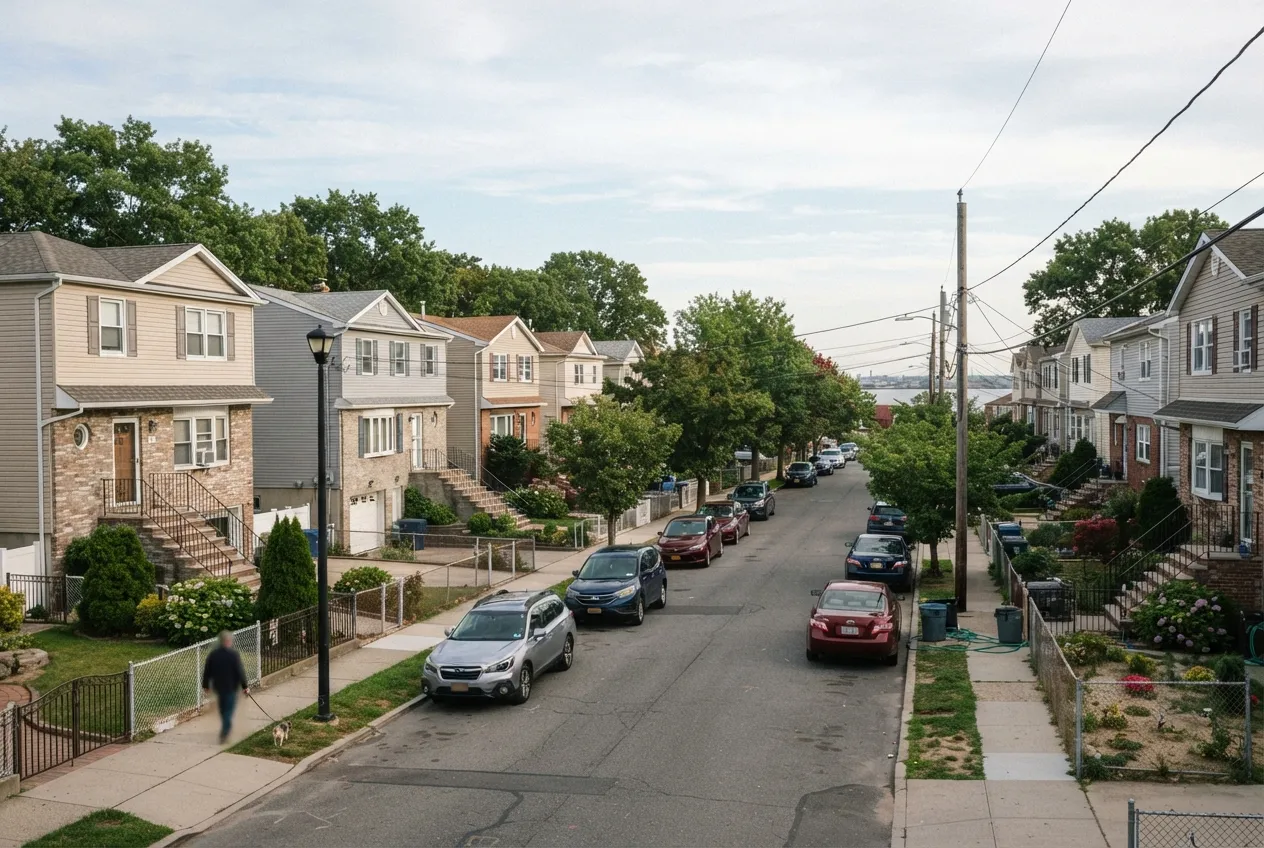
Charleston sits about a mile northeast of our Staten Island office, so EverHearth's certified technicians can reach homes across the 10307 ZIP code quickly. The neighborhood is mostly detached houses, along with semi-attached homes and newer townhouse-style buildings. Some have a wood-burning fireplace in the living room. Others rely on a masonry chimney or metal vent that serves a boiler or furnace in the basement. Whatever your setup, a chimney inspection tells you whether the system can safely carry smoke and exhaust out of the house, and what needs attention before it becomes a bigger problem. This page explains how inspections work for Charleston homes, which level you likely need, and what we look at while we're there.
Why a Yearly Inspection Matters for Charleston Homes
The NFPA 211 standard calls for chimneys, fireplaces and vents to be inspected once a year. That applies whether you light a fire every winter weekend or only run a gas boiler. Even a chimney you never think about is working every day the heat is on. Combustion gases have to exit the house, and the flue that carries them can deteriorate out of sight.
Detached and semi-attached homes in Charleston face the full force of South Shore weather. Wind, rain and freeze-thaw cycles work on exposed brick, crowns and flashing. Water that gets into a chimney can crack masonry, rust dampers and soften mortar joints from the inside. A yearly inspection catches these changes while they are still small, instead of after a leak shows up on a ceiling or a flue stops drafting properly.
Choosing the Right Inspection Level
Chimney professionals use three inspection levels. The right one depends on what has happened with your home and heating system since the last inspection. We'll ask a few questions when you call so we arrive ready for the right job.
- Level 1: For chimneys where nothing has changed. We check the readily accessible parts of the chimney, the fireplace or appliance connection, and the flue for obstructions and buildup.
- Level 2: When the system changes, such as a new boiler, furnace, insert or stove, or a switch from one fuel to another. It also applies when a home is being sold. This includes a closer look at accessible areas such as the attic and crawl spaces, plus a camera review of the flue interior.
- Level 3: When a hidden hazard is suspected and the only way to reach it is to open part of the chimney or the building around it. This is uncommon, and we recommend it only when a Level 2 points to a problem that can't be confirmed any other way.
Oil-to-Gas Conversions and Chimney Liners
Many homes in and around Charleston have moved from oil heat to natural gas, and others are planning the switch. When a New York City building converts its boiler from oil to gas, the chimney has to be evaluated as part of the work. Gas exhaust produces acidic condensate that can corrode a masonry flue that was built for oil. Because of that, a new liner is often needed.
If you're planning a conversion, schedule a Level 2 inspection before the new boiler goes in. We'll document the flue's condition and size and tell you plainly whether the existing chimney can be used, needs a liner, or needs other repairs. If you've already converted and aren't sure the chimney was looked at, an inspection now is the way to find out.
What We Check During an Inspection
Every inspection covers the parts of the system that affect safe venting and the condition of the structure. You'll get a clear explanation of what we found, with photos where they help.
- Chimney crown, cap and flashing where the chimney meets the roof
- Exterior brick and mortar for cracks, spalling and loose joints
- Flue liner condition, obstructions such as nests or debris, and creosote buildup
- Damper operation, firebox, smoke chamber and hearth
- Connector pipe and clearances between the boiler or furnace and the chimney
- Signs of water entry, such as staining, rust or efflorescence
Timing Your Inspection Around Heat Season
New York City's heat season runs from October 1 through May 31. During those months, building owners must keep apartments heated to the city's minimum temperatures. If you own a two-family home in Charleston and rent out one unit, a chimney problem in January is more than an inconvenience. Booking your inspection in late summer or early fall gives you time to handle any repairs before the heat has to stay on.
We also inspect chimneys in the nearby neighborhoods of Tottenville, Annadale, Huguenot, Prince's Bay and Woodrow. Neighbors on the South Shore often coordinate visits, which makes scheduling easier for everyone.
More services in Charleston
- Chimney Sweep in Charleston
- Chimney Repair in Charleston
- Air Duct Cleaning in Charleston
- Chimney Liner Installation in Charleston