
The short answer
Air duct cleaning makes sense in a Charleston home when there is substantial visible mold, evidence of vermin, or excessive dust and debris in the system. It is not a proven way to prevent health problems, so we recommend it when there is a clear reason and tell you when there isn't one.
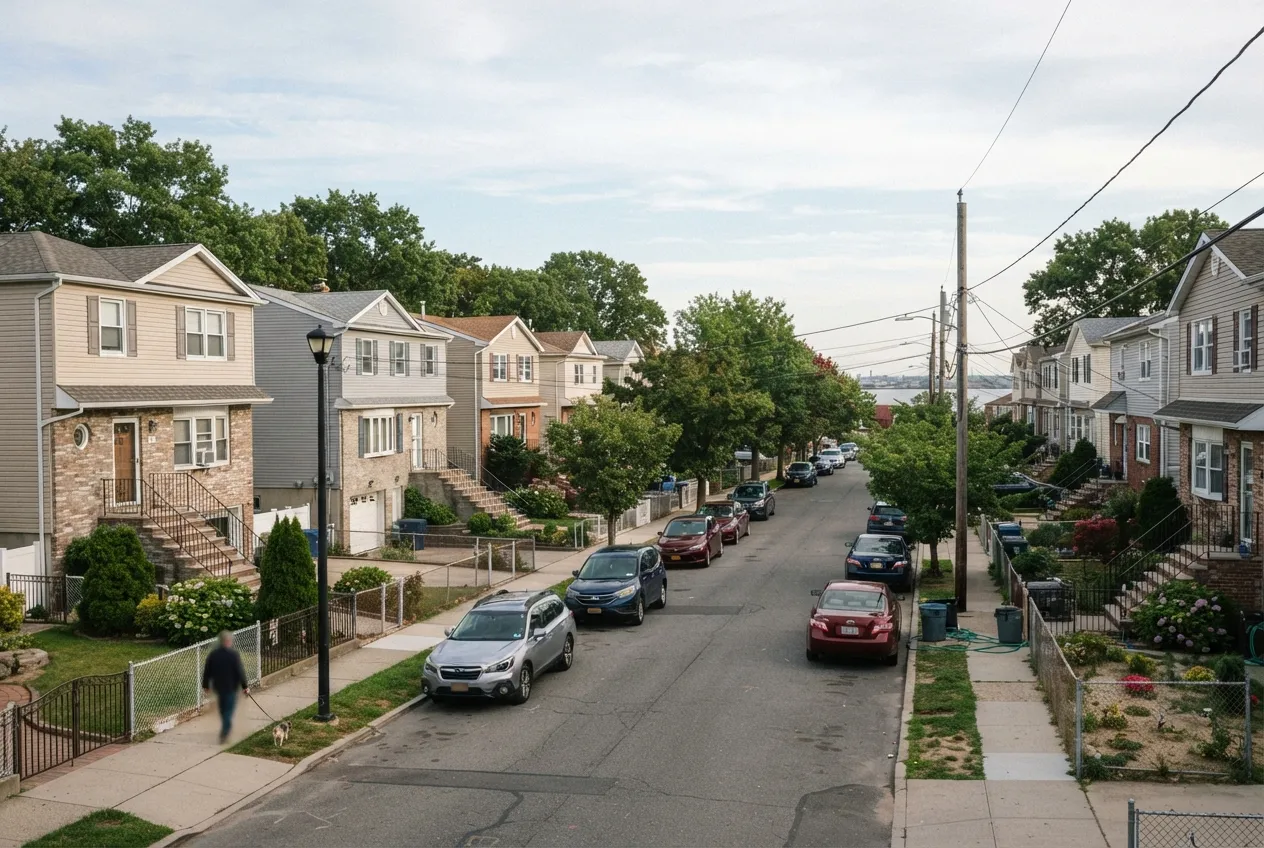
Charleston sits on Staten Island's South Shore, about a mile northeast of our office, so getting a crew to your home is a short trip. Many houses here rely on forced-air systems for heating and cooling, and the ductwork behind the registers is easy to forget until something prompts a closer look: dust puffing out when the system starts, a musty smell when the heat comes on, or signs that mice have been in the basement. This page explains when air duct cleaning is worth doing in a Charleston home, what our certified technicians do during a visit, and what you can reasonably expect afterward.
When Charleston Homeowners Should Consider Duct Cleaning
We follow the practical guidance the U.S. Environmental Protection Agency gives consumers: clean the ducts when there is a specific reason, not as a routine add-on. The EPA points to three situations that justify it:
Other events can lead to one of those conditions. A renovation can push drywall dust through open return vents. A basement that has had moisture problems can encourage growth on nearby duct surfaces. You may also have moved into a house without knowing how the system was maintained. If we look and none of these apply, we will tell you that cleaning isn't needed.
- Substantial visible mold growth inside the ducts or on other parts of the heating and cooling system
- Vermin, such as mice or insects, or their droppings and nesting material, in the ductwork
- Excessive dust and debris, enough that it blows into rooms through the supply registers
How Ductwork Varies in Charleston Homes
Charleston's housing is mostly detached and semi-detached homes along with attached townhouses, and the layout of each one shapes how the ductwork runs. In many houses, sheet-metal trunk lines run along the basement ceiling and branch up through interior walls to each room. Others route ducts through crawl spaces or attics, sometimes using flexible duct for the upper floor.
Townhouses often have compact systems with short, tight runs and limited access points. Larger detached homes may have two separate systems, one serving the lower floors from the basement and another serving the bedrooms from the attic. Before we start, we trace the layout, locate the air handler, and check which sections we can reach, so you know what will and won't be cleaned.
What Happens During a Cleaning Visit
A proper cleaning covers the whole air path, not just the vents you can see. A typical visit includes these steps:
If we find something that cleaning won't solve, such as a disconnected duct, a crushed flexible run, or moisture feeding mold growth, we point it out so the underlying problem can be repaired.
- Inspecting accessible ducts, supply registers, return grilles, and the blower compartment
- Protecting floors and furnishings near the work areas
- Placing the system under negative pressure with collection equipment so loosened debris is drawn out, not into your rooms
- Loosening buildup with brushes and air tools, working through the branches toward the main trunk
- Cleaning registers, grilles, and the blower area, then checking the air filter
- Walking you through what we found, including photos where it helps
Realistic Expectations and Chemical Treatments
The EPA notes that duct cleaning has not been shown to prevent health problems. We won't promise allergy relief or better health. What cleaning does is remove mold, pest contamination, and heavy debris that shouldn't be circulating through your home.
The EPA also urges caution with chemical treatments such as biocides and sealants applied inside ducts. We don't apply them by default. If one is being considered, we explain what it is, why it might be used, and the alternatives, and the decision is yours. The agency further advises researching the process before responding to very cheap advertised duct cleaning offers. Whoever you hire, ask exactly which parts of the system will be cleaned and how the debris will be collected.
Dryer Vents and Scheduling Around Heating Season
While we're at your home, it's worth having the dryer vent checked. According to the U.S. Fire Administration, failure to clean is the leading factor contributing to clothes dryer fires in homes, and lint builds up quickly in long or kinked vent runs.
New York City's heat season runs from October 1 through May 31, and most forced-air systems work hardest in those months. Late summer and early fall are good times to schedule duct cleaning before the heat comes on regularly. Besides Charleston, we serve nearby Tottenville, Annadale, Huguenot, Prince's Bay, and Woodrow.
More services in Charleston
- Chimney Sweep in Charleston
- Chimney Inspection in Charleston
- Chimney Repair in Charleston
- Chimney Liner Installation in Charleston