
The short answer
If your Woodrow chimney's liner is cracked, deteriorating, or wrong for your current heating appliance, a properly sized new liner restores a safe path for exhaust. We inspect the flue first, recommend a liner matched to your fuel and appliance, and install it with the connections and cap it needs.
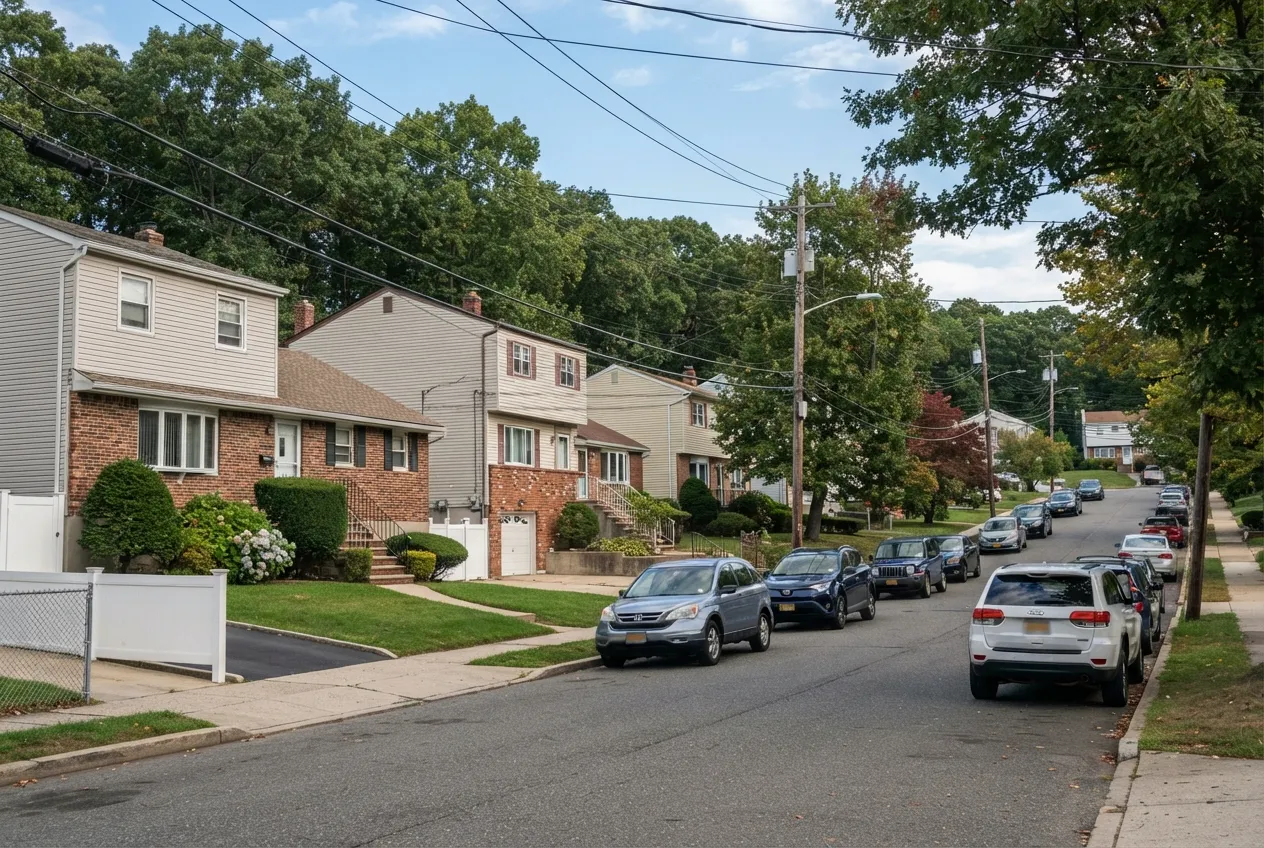
A chimney liner is the protective channel inside your flue that carries smoke, gases, and condensation safely out of the house. In Woodrow, most homes are detached houses, semi-detached homes, and townhouses, and many have a masonry chimney serving a boiler, furnace, water heater, or fireplace. When that liner cracks, crumbles, or no longer matches the appliance it serves, heat and exhaust can reach parts of the house they shouldn't. EverHearth Chimney Service installs new liners for homeowners in Woodrow, in ZIP codes 10309 and 10312. Woodrow is about 3 miles from our Staten Island office, so scheduling an inspection and installation is straightforward.
Why Woodrow Homes Need Liner Work
Many chimneys in Woodrow were built with clay tile liners. Over time, tiles can crack from heat, shift as the house settles, or wear away at the mortar joints. Staten Island winters add freeze-thaw cycles that loosen masonry from the top down. A damaged liner lets exhaust and heat move into the brick and the framing around it. With gas or oil appliances, it can also let carbon monoxide escape where it shouldn't.
Liner problems usually aren't visible from inside the house. Common warning signs include tile fragments at the base of the flue, white staining or spalling brick on the outside of the chimney, damp patches near the chimney on interior walls, and a heating technician noting poor draft. If you notice any of these, start with an inspection rather than a guess.
Oil-to-Gas Conversions and Your Chimney
Many Woodrow homeowners have moved from oil heat to gas. Under New York City rules, the chimney must be evaluated as part of a boiler conversion from oil to gas. A new liner is often needed because gas exhaust produces acidic condensate that can corrode a masonry flue that was fine for oil.
We work alongside your heating contractor so the liner is ready when the new boiler goes in. A conversion also counts as a change to the venting system, which is the situation the NFPA 211 standard says calls for a Level 2 inspection.
- We evaluate the existing flue before the new appliance is connected
- We size the liner to the new boiler or water heater, not the old one
- We coordinate timing with your plumber or heating contractor
- We document the liner work for the conversion
How We Install a Chimney Liner
Every job starts with a camera inspection of the flue. That shows us the condition of the existing liner, any offsets or obstructions, and the true dimensions we have to work with. From there, our certified technicians follow a clear sequence:
- Clean the flue so we're working with a clear passage
- Confirm the appliance's venting requirements and choose the correct liner diameter
- Remove broken tile or debris that would block the new liner
- Lower the liner from the top and connect it to the appliance at the base
- Install a top plate, rain cap, and any needed insulation
- Run a final check of the connections and draft before we leave
Choosing the Right Liner for Your Home
The right liner depends on what's burning at the bottom of the chimney. A wood-burning fireplace, a gas boiler, and an oil furnace each put different demands on a flue. We'll explain our recommendation and the reasons for it.
- Stainless steel liners: the most common choice for gas and oil appliances and for many wood stoves, with grades suited to each fuel
- Insulated liners: used where clearances to framing are tight or where better draft is needed
- Cast-in-place liners: a poured lining that can also add strength to an older, worn masonry chimney
- Clay tile relining: sometimes an option during a larger chimney rebuild
Timing Your Project Around Heat Season
New York City's heat season runs from October 1 through May 31. Liner work disconnects your heating appliance for part of the job, so the late spring and summer months are the easiest time for it. If a liner fails in the middle of winter, we'll talk through how to keep the outage as short as possible.
Once the liner is in, keep it on the annual inspection schedule that NFPA 211 recommends. Beyond Woodrow, we also serve nearby Annadale, Huguenot, Prince's Bay, Arden Heights, and Rossville.
More services in Woodrow
- Chimney Sweep in Woodrow
- Chimney Inspection in Woodrow
- Chimney Repair in Woodrow
- Air Duct Cleaning in Woodrow