
The short answer
A chimney inspection in Woodrow checks the flue, liner, masonry, and connections for damage, blockages, and venting problems. The NFPA 211 standard calls for one every year, and a more detailed Level 2 inspection when you change appliances or fuel or when the home is sold.
Most chimneys in Woodrow get no attention until something goes wrong: a smoky fireplace, a musty smell in summer, or a contractor mentioning the flue during a boiler swap. An inspection shows you the chimney's condition before that happens. EverHearth Chimney Service inspects chimneys in Woodrow and the rest of the 10309 and 10312 ZIP codes. Our office is about three miles away, so scheduling a visit is simple. Our certified technicians inspect wood-burning fireplaces, gas fireplaces, and the flues that vent furnaces, boilers, and water heaters. The neighborhood is mostly detached and semi-detached homes and townhouses, and many of them have a chimney that serves the heating system even if no one has ever lit a fire in the living room. That flue still needs to be checked.
Why Woodrow Homes Need Regular Chimney Inspections
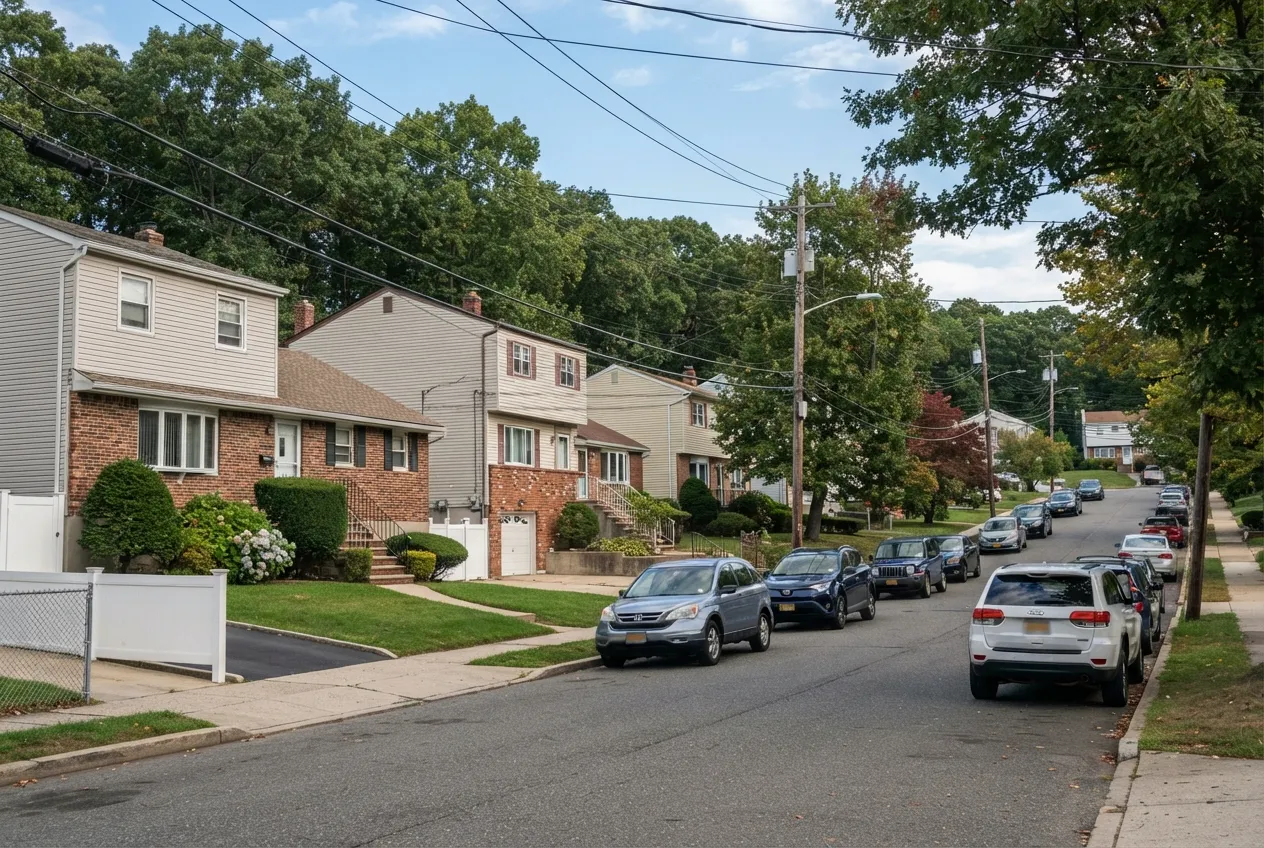
Woodrow is a residential part of Staten Island's South Shore, made up largely of single-family and two-family houses and attached townhouses. In many of these homes the chimney does two jobs. It may serve a fireplace, and it also carries exhaust from the furnace, boiler, or water heater out of the house. When that flue is cracked, blocked, or corroded, combustion gases can leak back indoors.
Weather is hard on chimneys here. Freeze-thaw cycles, wind-driven rain, and salt air near the shore all wear down mortar joints, crowns, and flashing over time. Animals and debris can also block a flue during the months it isn't in use. A yearly inspection catches these problems while they are still small repairs.
The Three Inspection Levels, Explained
The NFPA 211 standard calls for chimneys, fireplaces, and vents to be inspected once a year. Chimney professionals use three levels of inspection, and we'll tell you which one your home needs and why.
- Level 1: The standard yearly inspection when nothing about the system has changed. We check the accessible parts of the chimney, firebox, damper, and connections for soundness, blockages, and creosote buildup.
- Level 2: Needed when the system changes, such as installing a new appliance or switching fuels, or when a home is being sold. It covers everything in Level 1 plus a video scan of the flue interior and a check of accessible areas like the attic and crawlspace.
- Level 3: Used only when a hidden hazard has to be reached by opening part of the chimney or the building. We recommend this level only when a Level 1 or 2 inspection points to a concern that can't be confirmed any other way.
What We Check During Your Inspection
Outside, we look at the crown, cap, flashing, and brick and mortar for cracks, gaps, and water entry. Inside, we check the firebox, smoke chamber, damper, and flue liner, along with the connector pipes from your heating appliances. We look for creosote, soot, and nesting material, and we confirm that each appliance vents into a properly sized flue.
When we're done, we walk you through what we found, show you photos or video where they help, and explain which issues need attention now and which can wait. You decide what to do next.
Converting From Oil to Gas? Have the Chimney Checked
Some Staten Island homes still heat with oil. When a New York City building converts its boiler from oil to gas, the chimney has to be evaluated as part of the work. A new liner is often needed, because gas exhaust produces acidic condensate that can corrode a masonry flue. If you are planning a conversion in Woodrow, a Level 2 inspection gives you and your heating contractor a clear picture of the flue before the new equipment goes in.
When to Schedule in Woodrow
Late summer and early fall are the best times to book. New York City's heat season runs from October 1 through May 31, and if you own a two-family home with a rental unit, you must keep that apartment heated to the city's minimum temperatures during those months. Having the chimney inspected before October helps you avoid scrambling for a repair in cold weather.
We also serve the nearby neighborhoods of Annadale, Huguenot, Prince's Bay, Arden Heights, and Rossville.
More services in Woodrow
- Chimney Sweep in Woodrow
- Chimney Repair in Woodrow
- Air Duct Cleaning in Woodrow
- Chimney Liner Installation in Woodrow