
The short answer
A chimney sweep in Tottenville removes creosote, soot and debris from your flue and checks it for damage, blockages and liner problems. The NFPA 211 standard calls for chimneys, fireplaces and vents to be inspected once a year, so an annual sweep and inspection before heating season is the sensible schedule for most homes.
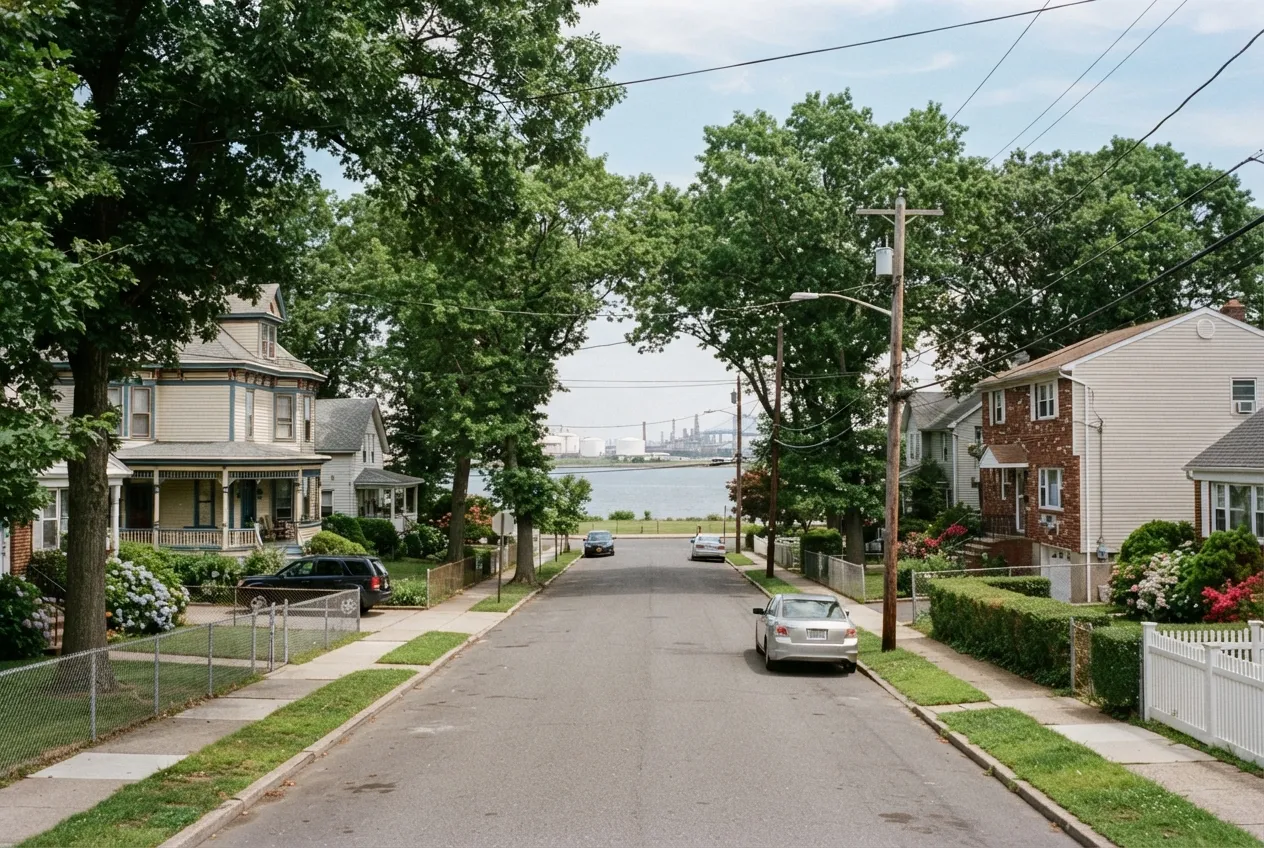
Tottenville sits about a mile northeast of our Staten Island office, so a chimney sweep here is a short trip for our crew. Most homes in the neighborhood are detached houses, a mix of older homes and newer construction. Many still have wood-burning fireplaces, and many vent a boiler or furnace through a masonry chimney. Both kinds of flues build up deposits over a season of use, and both need a regular cleaning and a look inside. Our certified technicians sweep and inspect chimneys throughout ZIP code 10307 and the surrounding South Shore neighborhoods. We tell you plainly what we found and what, if anything, needs attention.
What a Chimney Sweep Covers in a Tottenville Home
A sweep is more than running a brush up the flue. Burning wood leaves creosote, a tar-like residue that sticks to the flue walls and can catch fire. Heating appliances leave soot and scale. Nests, leaves and fallen masonry can also narrow or block the flue, which pushes smoke and combustion gases back into the house.
On a standard visit we protect the area around the fireplace or appliance connection, then clean the flue, smoke chamber and firebox. We remove the debris and check the parts we can reach for wear.
- Creosote and soot removal from the flue, smoke chamber and firebox
- Damper operation and fit
- Chimney cap and crown condition, where accessible
- Visible cracks, gaps or missing mortar in the flue liner
- Signs of water entry, animal nesting or blockages
Older and Newer Homes Need Different Things
Tottenville's housing ranges from older detached homes to more recently built houses. Many older chimneys have clay tile or unlined masonry flues, and over the decades they may have been patched, partly relined or connected to more than one appliance. These chimneys benefit from a careful look at mortar joints, the liner and the connections where the flue meets the house.
Newer homes are more likely to have factory-built fireplaces or metal liners. These have their own wear points, such as loose sections, corroded components and caps that have shifted in the wind. We adjust the cleaning and inspection to the system your home actually has, rather than treating every chimney the same way.
When to Schedule: Yearly, Before the Heat Comes On
The NFPA 211 standard calls for chimneys, fireplaces and vents to be inspected once a year. Chimney professionals use three levels of inspection. Level 1 is the routine check when nothing has changed. Level 2 applies when the system changes, such as a new appliance or a switch of fuel, or when the home is sold. Level 3 is used when a hidden hazard can only be reached by opening part of the chimney or building.
Timing matters in New York City. The city's heat season runs from October 1 through May 31, and heating systems work hardest in those months. Booking your sweep in late summer or early fall means problems are found before you depend on the system. If you burn wood heavily over the winter, a second cleaning partway through the season may also make sense. If you're buying or selling a house in Tottenville, ask about a Level 2 inspection as part of the process.
Converting From Oil to Gas? The Chimney Comes First
Some Tottenville homes still heat with oil, and many owners are weighing a switch to gas. When a New York City building converts its boiler from oil to gas, the chimney has to be evaluated as part of the work. A new liner is often needed, because gas exhaust produces acidic condensate that can corrode a masonry flue.
We can sweep the old oil soot out of the flue, inspect its condition and explain whether a liner is likely to be needed for your conversion. That way you can plan the work with your heating contractor before the new boiler goes in, not after.
What to Expect on the Day
Our technicians arrive with drop cloths and the vacuum and brushing equipment needed to keep soot out of your living space. We'll ask how you use the fireplace or appliance and whether you've noticed smoke, odors, drafts or water stains. After the sweep we walk you through what we saw, show you photos where they help, and explain any repairs in plain terms so you can decide what to do next. Please keep the fireplace and heating appliance off for several hours beforehand so the system is cool.
More services in Tottenville
- Chimney Inspection in Tottenville
- Chimney Repair in Tottenville
- Air Duct Cleaning in Tottenville
- Chimney Liner Installation in Tottenville