
The short answer
EverHearth repairs chimneys in Tottenville, from cracked crowns and loose bricks to leaking flashing and damaged flue liners. We start with an inspection matched to your situation, show you what we find, and recommend only the repairs the chimney needs. Spring and summer are the easiest times to schedule larger repairs before heat season begins October 1.
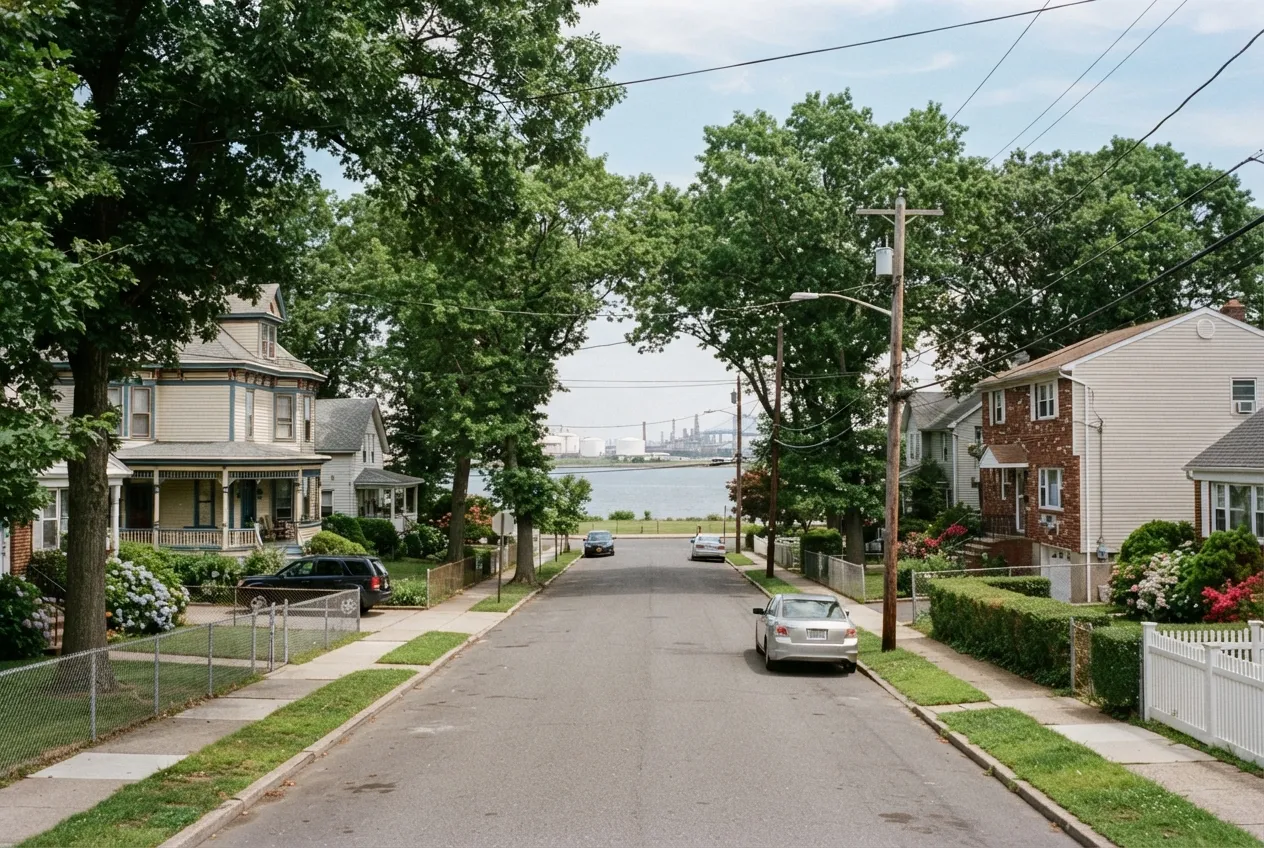
Tottenville sits about a mile from our Staten Island office, so EverHearth's certified technicians can reach most homes in the 10307 ZIP code quickly when a chimney needs work. Much of the neighborhood is detached houses, many of them older, plus some semi-attached homes and newer construction. That mix means we see chimneys of different ages, materials and conditions. This page explains the repairs we handle most often here, how we decide what a chimney actually needs, and how to plan the work so it doesn't collide with the heating months.
Chimney Problems We Commonly Find in Tottenville Homes
Tottenville is close to the water on the southern end of the borough, so chimneys here take a steady load of wind, rain and freeze-thaw cycles. Water is the main cause of most chimney damage we repair. Once moisture gets into masonry, winter freezing widens small cracks, mortar softens and bricks begin to loosen or flake.
Older detached homes often have chimneys that have been patched several times over the decades, sometimes with materials that don't match the original masonry. Newer homes can have problems too, usually at the crown or the flashing where the chimney meets the roof.
- Cracked or crumbling chimney crowns that let water into the structure
- Worn mortar joints that need repointing
- Spalling bricks with faces that flake or pop off
- Leaking flashing that shows up as stains on ceilings or walls near the chimney
- Missing or rusted chimney caps that let in rain, debris and animals
- Cracked or deteriorated flue liners
How We Decide What Your Chimney Needs
We don't quote repairs from the curb. The NFPA 211 standard calls for chimneys, fireplaces and vents to be inspected once a year, and it lays out three inspection levels. We use the same framework to figure out what's wrong and how far we need to look.
A Level 1 inspection fits when nothing about your system has changed and you just want it checked. A Level 2 inspection is the right step when you've added or replaced an appliance, switched fuels, or are buying or selling a home. That's common in Tottenville, where many houses change hands. A Level 3 inspection is only needed when a suspected hazard is hidden and can only be reached by opening part of the chimney or the building.
After the inspection, we walk you through what we found, with photos where possible. We'll tell you which repairs affect safety, which prevent further water damage, and which can reasonably wait.
Liner Repairs and Oil-to-Gas Conversions
Many Staten Island homes and small buildings still have, or recently had, oil heat. When a New York City building converts its boiler from oil to gas, the chimney has to be evaluated as part of the work. A new liner is often needed because gas exhaust produces acidic condensate that can corrode a masonry flue from the inside.
If you're planning a conversion, or one was done without anyone looking at the chimney, we can inspect the flue and tell you whether the existing liner is suitable. When a new liner is needed, we size and install it to match the appliance it serves, so exhaust leaves the house the way it should.
Timing Repairs Around Heat Season
New York City's heat season runs from October 1 through May 31. During those months, building owners must keep apartments heated to the city's minimum temperatures. If you own a two-family house or rent out part of your home, a chimney problem in January can become a serious headache, because you can't simply shut the heat off while you wait for repairs.
We recommend scheduling inspections and larger repairs like rebuilding a crown, repointing or relining between late spring and early fall. Masonry work also goes better in mild weather. If something urgent turns up in winter, such as a blocked flue or signs of exhaust backing up, call us and we'll work out the safest way forward.
Serving Tottenville and Nearby Neighborhoods
Because Tottenville is so close to our office, it's one of the easiest areas for us to reach. We also handle chimney repair in the neighborhoods around it, including Charleston, Annadale, Huguenot, Prince's Bay and Woodrow. Whether your home is an older detached house or a newer build, we'll assess the chimney on its own terms and explain your options in plain language.
More services in Tottenville
- Chimney Sweep in Tottenville
- Chimney Inspection in Tottenville
- Air Duct Cleaning in Tottenville
- Chimney Liner Installation in Tottenville