
The short answer
Rossville homes usually need a new chimney liner when the existing flue is cracked or deteriorating, or when a boiler or furnace is switched from oil to gas. We inspect the chimney first, size the liner to the connected appliance, and install it so exhaust vents safely and the masonry is protected.
A chimney liner is the channel inside your chimney that carries smoke and exhaust gases up and out of the house. In many Rossville homes, that liner is old clay tile, damaged masonry, or a flue that was never sized for the appliance now connected to it. EverHearth Chimney Service installs new chimney liners for homeowners in Rossville and across the South Shore of Staten Island. Our office is about four miles away, so we can inspect your flue, explain what we find, and fit a liner that matches your boiler, furnace, water heater, or fireplace.
Signs Your Rossville Chimney Needs a New Liner
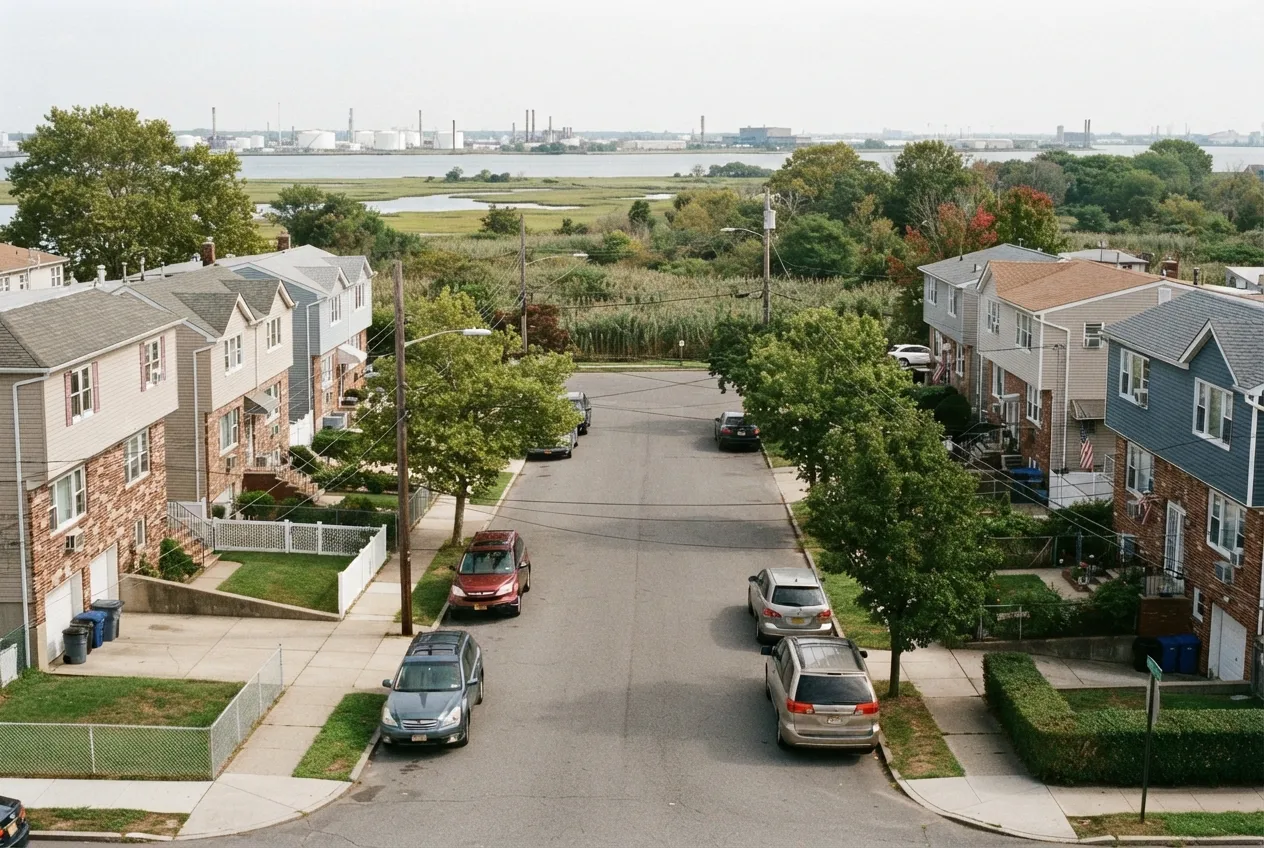
Rossville is mostly detached and semi-attached homes, with a mix of older houses and newer construction. Whatever the age of the house, the liner takes constant heat, moisture, and acidic exhaust, and it wears out over time. Damage often stays hidden until someone looks inside the flue with a camera.
These are the most common reasons a liner gets replaced:
- Cracked, shifted, or missing clay tiles found during an inspection
- Flaking masonry, white staining, or crumbling mortar visible near the top of the chimney or inside the house
- Water leaking around the chimney or rust on the damper or cleanout door
- A new boiler, furnace, or water heater that needs a different flue size
- A switch from oil to gas heat
- Smoke or exhaust smells that come back into the house when the appliance runs
Oil-to-Gas Conversions and Your Liner
Many Staten Island homeowners have moved from oil heat to natural gas. In New York City, the chimney has to be evaluated as part of an oil-to-gas boiler conversion, and a new liner is often needed. Gas exhaust is cooler and carries more water vapor than oil exhaust. As it cools inside the chimney, it forms acidic condensate that can eat away at a masonry flue and its mortar joints.
A properly sized liner keeps that condensate contained and lets the exhaust draft the way it should. If you are planning a conversion, or one was done without a chimney evaluation, we can inspect the flue and tell you whether a liner is needed.
How We Install a Chimney Liner
The NFPA 211 standard calls for chimneys, fireplaces, and vents to be inspected once a year. It also calls for a more thorough Level 2 inspection when the system changes, such as a new appliance or a fuel switch, or when a home is sold. Liner work almost always falls into that category, so every installation starts with an inspection.
Here is what the process usually looks like:
- Camera inspection of the full flue to check its condition and measure it
- Sizing the liner to the appliance connected to it, since a liner that is too large or too small can cause poor draft or condensation
- Cleaning the flue and removing loose debris or broken tile where needed
- Installing the liner, typically flexible or rigid stainless steel, from the top of the chimney down
- Connecting the liner to the appliance and sealing the top with a cap to keep out rain and animals
- Checking draft and walking you through the finished work
Timing Liner Work Around Heat Season
New York City's heat season runs from October 1 through May 31. If your boiler or furnace is down because of a chimney problem in the middle of winter, the house can get cold fast. For homeowners who rent out part of a two-family house, that also means keeping a tenant's unit heated to the city's minimum temperatures.
The easiest time to handle a liner replacement is late spring through early fall, when the heating system can be shut off without disruption. If an inspection during the season turns up a serious problem, we will explain your options and the safest way to proceed.
Serving Rossville and Nearby South Shore Neighborhoods
Along with Rossville, we install chimney liners in Arden Heights, Annadale, Huguenot, Prince's Bay, and Woodrow. Homes in these neighborhoods often have similar heating setups and similar chimney issues, from older clay-tile flues to recent gas conversions. Our certified technicians will look at your specific chimney and recommend only the work it actually needs.
More services in Rossville
- Chimney Sweep in Rossville
- Chimney Inspection in Rossville
- Chimney Repair in Rossville
- Air Duct Cleaning in Rossville