
The short answer
Most Rossville homes should have their chimney inspected once a year, as the NFPA 211 standard recommends. A Level 1 inspection covers routine yearly checks, while a Level 2 is called for when you change appliances or fuel or sell the house, and a Level 3 is reserved for hidden hazards that require opening part of the structure.
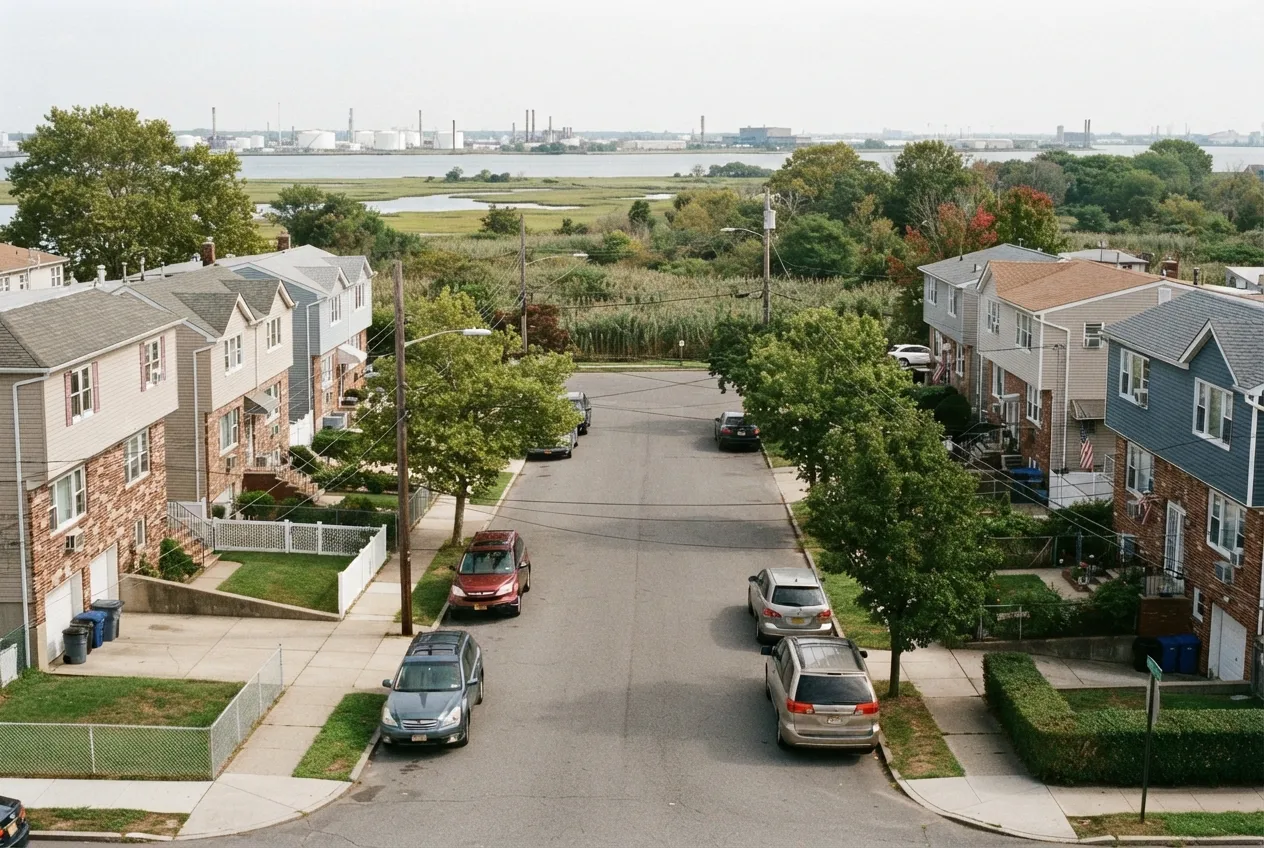
Rossville sits on Staten Island's South Shore, about 4 miles northeast of our office, and most homes here are detached or semi-detached houses and townhouses with their own heating systems. That means the homeowner, not a building manager, is usually responsible for the chimney. A chimney serves two jobs: venting smoke from a fireplace or stove, and carrying exhaust from a boiler or furnace out of the house. Both can fail quietly. Cracked flue tiles, loose mortar, blocked caps and corroded liners rarely show from the living room. EverHearth's certified technicians inspect chimneys in Rossville so you know what condition your system is in before you rely on it through another winter.
Which Inspection Level Your Rossville Home Needs
The NFPA 211 standard calls for chimneys, fireplaces and vents to be inspected once a year. Chimney professionals use three levels of inspection, and the right one depends on what has happened with your home since the last check.
We'll tell you which level fits your situation before we start, and we won't move to a deeper level without explaining why.
- Level 1: For a chimney that has been in regular use with no changes. We examine the readily accessible parts of the chimney exterior and interior, the firebox, damper and connections.
- Level 2: For when something changes, such as a new boiler, a new stove, a switch from oil to gas, or the sale of the home. This includes a camera inspection of the flue's interior along with accessible attic and crawl space areas.
- Level 3: For when there's reason to suspect a hidden hazard, such as after a chimney fire or major storm damage, and reaching it requires removing part of the chimney or building.
Common Issues in South Shore Homes
Many Rossville houses have a masonry chimney serving the heating system, and some also have a fireplace or a wood or pellet stove. Each brings its own concerns. Fireplace and stove flues collect creosote, which can ignite if it builds up. Brick and mortar on the exposed part of the chimney take a beating from freeze and thaw cycles and wind-driven rain, and water that gets in can damage the flue from the inside.
Heating flues have a different set of problems. Boiler and furnace exhaust can leave deposits and moisture in the flue, and a missing or damaged cap lets in birds, leaves and debris that can partially block the flue. A partially blocked heating flue is a serious concern because it can push combustion gases, including carbon monoxide, back into the house.
Converting From Oil to Gas
Some Staten Island homes still heat with oil, and owners who switch to gas need to plan for the chimney. In New York City, the chimney has to be evaluated as part of an oil-to-gas boiler conversion. A new liner is often needed, because gas exhaust produces acidic condensate that can corrode a masonry flue that was fine for oil.
Since a fuel change is exactly when a Level 2 inspection is called for, we recommend scheduling it early in the conversion process. That way the chimney findings can be factored into your plans instead of turning up as a surprise late in the project.
When to Schedule
New York City's heat season runs from October 1 through May 31. Even though the city's heating rules mostly apply to rental apartments, those dates are a good reminder for any homeowner. Your boiler or furnace will be running steadily for most of the year, and the best time to find a chimney problem is before that stretch starts. Late summer and early fall work well for most homeowners. Spring is also a good choice if you used your fireplace heavily over the winter and want to know where things stand.
You should also book an inspection, and hold off on using the fireplace or stove, if you notice any of the following:
- Smoke drifting into the room instead of going up the flue
- Flakes of tile or mortar in the firebox
- A strong odor from the fireplace, especially in humid weather
- Water stains on the walls or ceiling near the chimney
- A carbon monoxide alarm going off while the heat is on
What You Get After the Inspection
When we finish, we explain what we found in plain language and give you a written summary, including photos or camera footage when we have them. If the chimney is in good shape, we'll tell you that. If it needs repair, cleaning or a new liner, we'll describe the problem, how urgent it is and your options, so you can make a decision without pressure. We also serve the neighboring communities of Arden Heights, Annadale, Huguenot, Prince's Bay and Woodrow.
More services in Rossville
- Chimney Sweep in Rossville
- Chimney Repair in Rossville
- Air Duct Cleaning in Rossville
- Chimney Liner Installation in Rossville