
The short answer
A chimney sweep removes creosote, soot and debris from your flue so smoke and exhaust leave your Eltingville home safely and the risk of a chimney fire goes down. The NFPA 211 standard calls for a yearly inspection, and how often you need a full sweep depends on how much you burn and what the inspection finds.
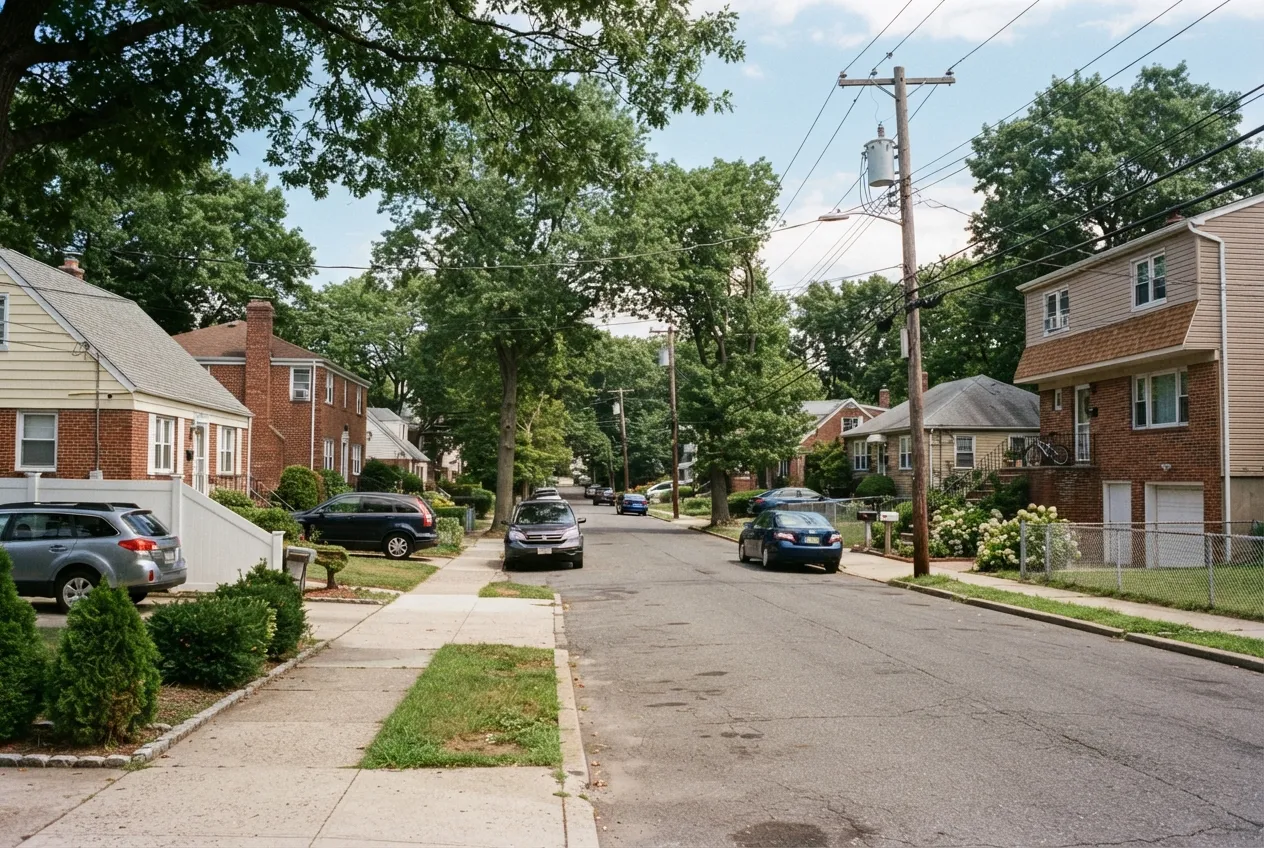
Eltingville is mostly detached and semi-attached homes, many with a living room fireplace and a chimney that also vents a boiler or water heater. EverHearth Chimney Service sweeps and inspects those chimneys for homeowners across the 10308 ZIP code. Our office is about six miles away, so getting to Eltingville and the rest of the South Shore is simple. Below you'll find what a sweep involves, how often you need one, and what our certified technicians look for while they're working on your chimney.
What a Chimney Sweep Includes
A sweep removes the soot and creosote that build up inside a flue every time you burn wood or run a fuel-burning appliance. Creosote is flammable, and a thick layer can ignite and cause a chimney fire. Soot and debris also narrow the flue, which can push smoke and carbon monoxide back into the house instead of up and out.
Our technicians cover the area around the fireplace with drop cloths. Then they work through the flue with brushes and rods sized to it while a vacuum captures the dust. We clean the firebox, smoke chamber and smoke shelf, and we note anything that needs attention along the way.
- Brushing the full length of the flue from the firebox or the roof
- Clearing the smoke chamber and smoke shelf
- Checking that the damper opens fully and seals when closed
- Looking at the chimney cap and crown for damage or missing pieces
- Noting cracked flue tiles, loose mortar or signs of water entry
- Removing nesting material or debris that blocks airflow
Chimneys That Serve Both a Fireplace and a Heating System
Many houses in Eltingville have a masonry chimney with more than one flue: one for the fireplace and another for the boiler, furnace or water heater. Each flue needs its own attention. A wood-burning flue collects creosote. An appliance flue is more likely to collect fine soot, flakes from an aging liner, or debris that has fallen in from the top.
If you've switched your boiler from oil to gas, or you're planning to, the chimney has to be evaluated as part of that work. Gas exhaust produces acidic condensate that can corrode an old or unlined masonry flue, so a new liner is often needed. We can sweep and inspect the flue before a conversion so you know its condition going in.
How Often to Schedule a Sweep
The NFPA 211 standard calls for chimneys, fireplaces and vents to be inspected once a year. Whether you also need a full sweep depends on what the inspection finds and how much you use the fireplace. A home that burns wood most winter weekends will usually need cleaning every year. A fireplace used a few times a season may not.
Inspections come in three levels. A Level 1 inspection is for when nothing about the system has changed. A Level 2 inspection is called for when something changes, such as a new appliance or a switch of fuel, or when the home is being sold. That's worth remembering if you're buying or selling in Eltingville. A Level 3 inspection is reserved for cases where a hidden hazard can only be reached by opening part of the chimney or building.
Late summer and early fall are good times to book. If you rent out part of a two-family house, keep in mind that New York City's heat season runs from October 1 through May 31. During that time, owners must keep apartments heated to the city's minimum temperatures. Having the heating flue checked before October helps you head off problems once the season starts.
Signs You Shouldn't Wait
Call for a sweep sooner than your usual schedule if you notice any of the following:
- Smoke drifting into the room when the fireplace is lit
- A strong smoky or tar-like smell, especially in humid weather
- Black, flaky or shiny glazed deposits in the firebox or on the damper
- Fires that are hard to start or don't draw well
- Bits of tile, mortar or debris falling into the fireplace
- Animal sounds or nesting material in the flue
- Water stains on ceilings or walls near the chimney
Getting Ready for Your Appointment
A little preparation keeps the visit efficient and clean. After the sweep, we'll walk you through what we saw and point out anything that needs repair. Neighbors in Great Kills, Arden Heights, Rossville, Annadale and Huguenot can book the same service.
- Stop using the fireplace at least a day ahead so the ashes and flue are cool
- Clear furniture and decorations from in front of the fireplace
- Tell us where the boiler or water heater is and whether it vents into the chimney
- Mention any recent changes, such as a new appliance or a fuel conversion
- Keep pets in another room while we work
More services in Eltingville
- Chimney Inspection in Eltingville
- Chimney Repair in Eltingville
- Air Duct Cleaning in Eltingville
- Chimney Liner Installation in Eltingville