
The short answer
EverHearth repairs chimney crowns, flashing, masonry, caps, dampers and flue liners for Eltingville homes in ZIP code 10308. Every repair starts with an inspection so you know the cause before any work begins. Spring through early fall is the best time to schedule masonry work, before the heating season.
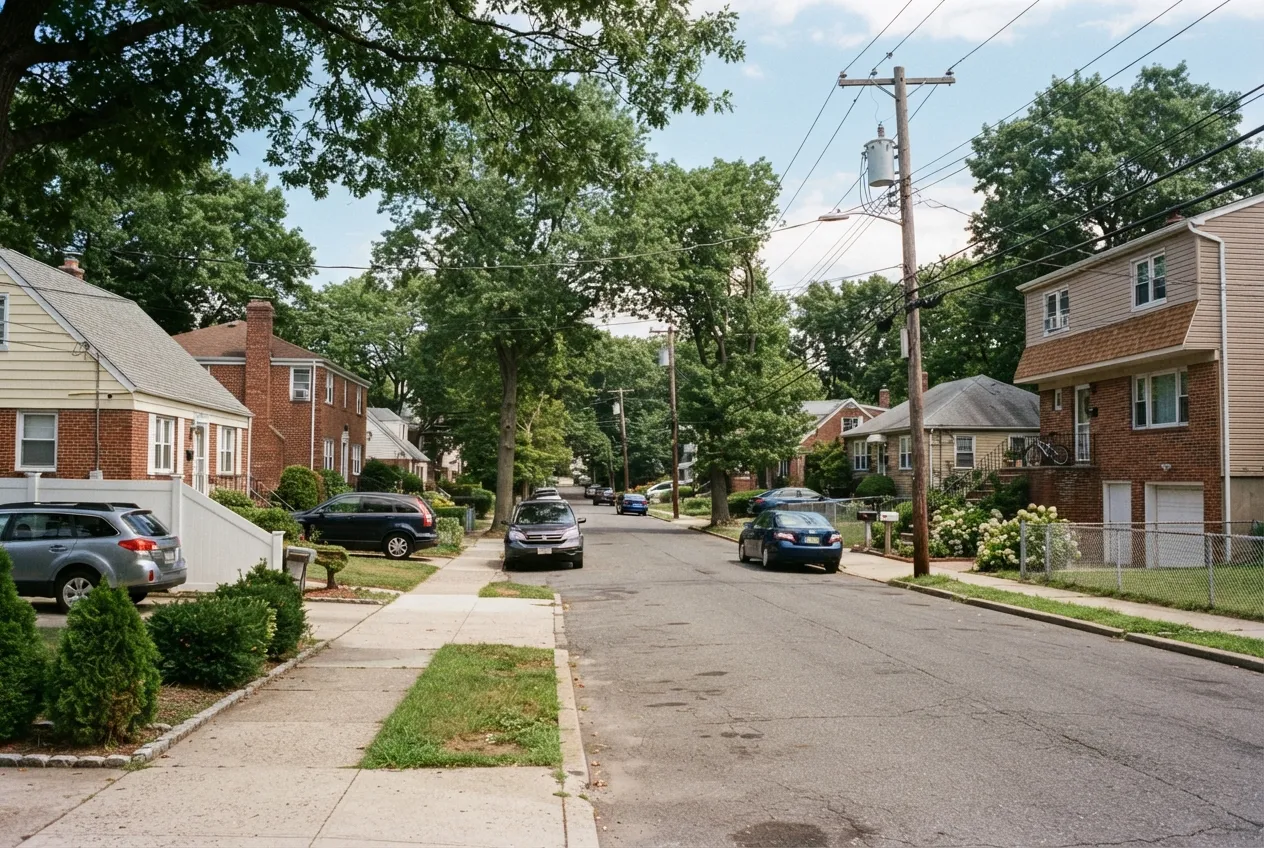
Most Eltingville homes are detached or semi-detached houses with a masonry chimney serving a fireplace, a boiler, or both. These chimneys stand fully exposed to wind, rain and winter freezes on Staten Island's South Shore. Small problems like a cracked crown, a loose flashing seam or crumbling mortar tend to grow quietly until water stains a ceiling or a flue liner fails. EverHearth Chimney Service repairs chimneys throughout Eltingville and the 10308 ZIP code, about 6 miles from our Staten Island office. Our certified technicians start by finding the actual cause. Then they explain what needs fixing now and what can safely wait.
Common Chimney Problems in Eltingville Homes
Eltingville is mostly detached and attached single-family and two-family homes, a mix of older houses and newer construction. Whatever the age of the house, the same parts of the chimney take the most wear.
- Crowns: the concrete or mortar slab on top of the chimney cracks through freeze-thaw cycles and lets water into the masonry below.
- Flashing: the metal seal where the chimney meets the roof can loosen or rust. It is one of the most common sources of leaks into attics and upstairs ceilings.
- Mortar joints and brick: water inside masonry expands when it freezes, which flakes brick faces and opens joints that then need repointing or partial rebuilding.
- Caps and screens: a missing or damaged cap lets in rain, leaves, birds and animals.
- Flue liners: cracked clay tiles or a corroded metal liner can let heat and exhaust gases reach parts of the house they shouldn't.
- Dampers: rusted or warped dampers that no longer open, close or seal properly.
Inspection First, Then Repair
We don't quote repairs from the driveway. The NFPA 211 standard calls for chimneys, fireplaces and vents to be inspected once a year, and chimney professionals use three inspection levels. Level 1 applies when nothing about the system has changed. Level 2 applies when the system changes, such as a new appliance or a switch of fuel, or when the home is sold. Level 3 applies when a hidden hazard can only be reached by opening part of the chimney or building.
After the inspection, we explain what we found in plain terms and show you photos where they help. You also get a repair plan that separates urgent safety items from maintenance you can schedule later.
Oil-to-Gas Conversions and Liner Work
Some Eltingville homeowners are switching their heating from oil to gas. When a boiler in New York City is converted from oil to gas, the chimney has to be evaluated as part of the work, and a new liner is often needed. Gas exhaust produces acidic condensate that can corrode a masonry flue that held up fine with oil. If you are planning a conversion, or your heating contractor has flagged the chimney, we can inspect the flue and install a liner suited to the new appliance.
We also reline chimneys when clay tiles are cracked or an older liner has deteriorated. That applies whether the flue serves a fireplace, a boiler or a water heater.
When to Schedule Chimney Repair
Masonry and crown work goes best in mild, dry weather, so spring through early fall is the ideal window. Repairing a boiler chimney in that window also avoids the heating season. If you own a two-family home with a rental unit, keep in mind that New York City's heat season runs from October 1 through May 31. During that period, apartments must be kept heated to the city's minimum temperatures. A flue that needs major work in January can leave a household without heat while the repair is done.
Some signs shouldn't wait for a convenient season:
- Water stains on ceilings or walls near the chimney
- Pieces of brick, mortar or flue tile in the firebox or at the base of the chimney
- White staining on the outside brick
- A chimney that leans or has visibly open joints
- Smoke or odors coming into the room when the fireplace or boiler runs
- Heavy rust on the damper or inside the firebox
Serving Eltingville and Nearby Neighborhoods
We work throughout Eltingville and the surrounding South Shore neighborhoods, including Great Kills, Arden Heights, Rossville, Annadale and Huguenot. On the day of service, we protect the area around your fireplace and below the roof work zone. When the job is done, we clean up and walk you through what was repaired.
More services in Eltingville
- Chimney Sweep in Eltingville
- Chimney Inspection in Eltingville
- Air Duct Cleaning in Eltingville
- Chimney Liner Installation in Eltingville