
The short answer
Arden Heights homes often need a new chimney liner after an oil-to-gas boiler conversion, a new heating appliance, or damage to an old clay tile flue. EverHearth inspects the chimney, sizes a liner to the appliance it serves, and installs it so exhaust vents safely.
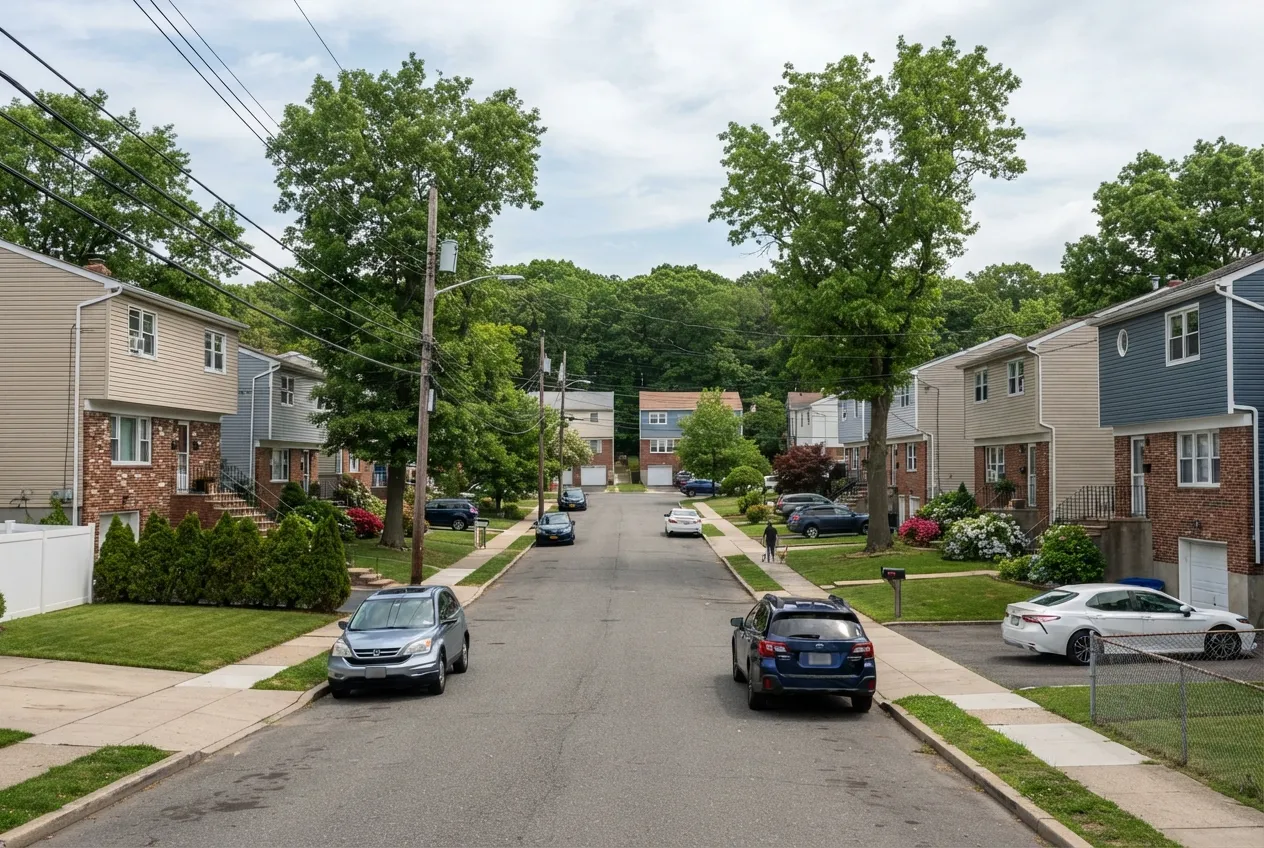
A chimney liner is the protective channel inside your chimney that carries smoke and exhaust gases up and out of the house. In Arden Heights, most homes are detached or semi-attached houses with masonry chimneys serving a boiler, furnace, water heater, or fireplace. Many of those chimneys still have their original clay tile liners, and many heating systems have been replaced or switched from oil to gas since the house was built. A liner that worked well for one appliance may be the wrong size, the wrong material, or simply worn out for the next. EverHearth Chimney Service installs new chimney liners for Arden Heights homeowners. Our office is about four miles away, so we can usually inspect your flue, explain what we find, and plan the work without a long wait.
Why Liners Fail in Arden Heights Chimneys
Clay tile liners are common in masonry chimneys on Staten Island. Over many heating seasons they can crack from heat stress, settling, or a past chimney fire. Mortar joints between the tiles can erode and leave gaps. Once that happens, heat and exhaust reach the surrounding brick and the framing near the chimney, and carbon monoxide has more ways to leak into the house.
A liner also has to match the appliance it serves. Modern boilers and furnaces often produce cooler exhaust than older equipment. When that exhaust travels through a flue that is too large, it cools before it reaches the top, condenses, and soaks into the masonry. The result can be damp stains, spalling brick, and crumbling mortar inside the chimney, even when nothing looks wrong from the outside.
Oil-to-Gas Conversions and Your Chimney
Many Staten Island homes have moved from oil heat to gas. When a New York City building converts its boiler from oil to gas, the chimney has to be evaluated as part of the work. A new liner is often needed because gas exhaust produces acidic condensate that can corrode a masonry flue.
If you are planning a conversion, or one was finished and the chimney was never looked at, we can inspect the flue and tell you whether it is suitable for gas. If it is not, we will size and install a liner made for that type of exhaust. Bringing us in early helps your heating contractor and your chimney work stay on the same schedule.
Signs You May Need a New Chimney Liner
Some problems can only be confirmed with a camera inspection of the flue. These are the common reasons Arden Heights homeowners call us:
- You are converting from oil to gas, or recently did
- You are installing a new boiler, furnace, water heater, or wood or gas insert
- An inspection found cracked, missing, or offset clay tiles
- Water stains, white residue, or flaking brick appear on the chimney or nearby walls
- Pieces of tile or mortar are falling into the cleanout or firebox
- You had a chimney fire, even a small one
- Your home inspector flagged the flue during a sale
How We Install a Chimney Liner
The NFPA 211 standard calls for chimneys, fireplaces, and vents to be inspected once a year. It describes a Level 2 inspection for times when the system changes, such as a new appliance, a switch of fuel, or the sale of a home. Liner work usually starts with that kind of inspection. Our certified technicians follow the same basic steps on every job:
- Inspect the flue with a camera and measure it from top to bottom
- Confirm the appliance type, fuel, and venting needs
- Choose a liner material and diameter sized to that appliance
- Clean the flue and remove debris or broken tile if needed
- Install the liner with the proper connections at the top and bottom
- Fit a cap to keep out rain, debris, and animals
- Review the finished work with you and show you photos
Choosing the Right Liner
Most liners we install for gas and oil appliances are stainless steel. Stainless steel resists the corrosion that condensate causes and can be run through chimneys that have offsets or slight bends. Fireplaces and wood-burning inserts have different needs, and we will explain the options that fit your chimney and how you use it. Before any work begins, we tell you what we recommend and why, so you can make an informed decision.
Planning Around Heating Season
New York City's heat season runs from October 1 through May 31. Liner work means your heating appliance is shut down for part of a day, so late spring and summer are the easiest times to schedule. If a problem shows up in winter, we will work with you to keep the downtime short. Besides Arden Heights, we install chimney liners in nearby Rossville, Annadale, Huguenot, Prince's Bay, and Woodrow.
More services in Arden Heights
- Chimney Sweep in Arden Heights
- Chimney Inspection in Arden Heights
- Chimney Repair in Arden Heights
- Air Duct Cleaning in Arden Heights