
The short answer
The NFPA 211 standard calls for chimneys, fireplaces and vents to be inspected once a year, and most Arden Heights homes need only a basic Level 1 inspection when nothing has changed. A deeper Level 2 inspection makes sense when you buy or sell a home, add a new appliance, or switch fuels, including converting from oil to gas.
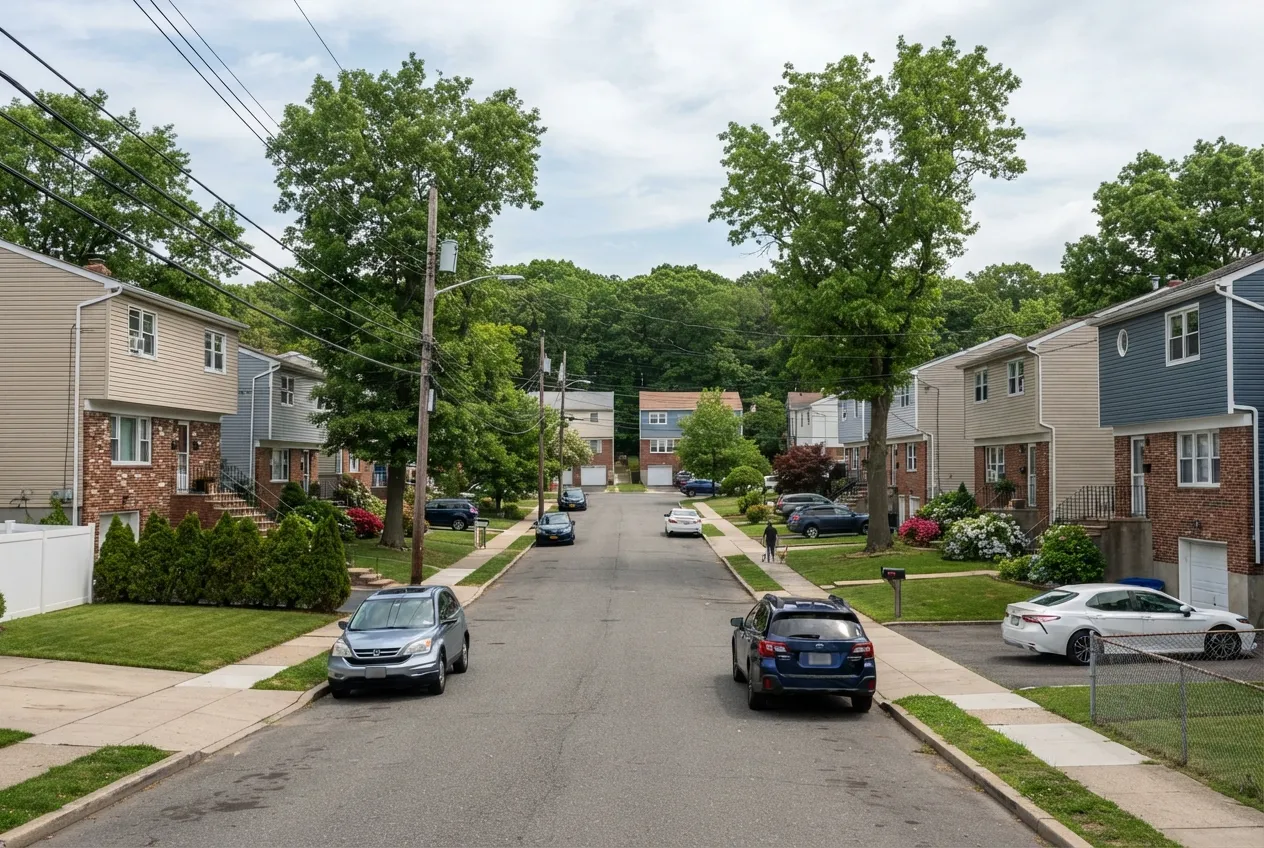
Most Arden Heights homes are detached or semi-attached houses and townhouses, and many still have a working fireplace, a boiler or furnace venting through a masonry chimney, or both. A chimney you rarely think about still moves hot exhaust out of your house every day of the heating season. EverHearth Chimney Service sends certified technicians from our Staten Island office, about four miles away, to inspect chimneys, fireplaces and appliance vents throughout Arden Heights. We tell you what condition your system is in, what needs attention now, and what can wait.
Why Yearly Inspections Matter for Arden Heights Homes
The NFPA 211 standard recommends a yearly inspection of every chimney, fireplace and vent, whether you burn wood every weekend or only run a gas boiler. Problems inside a flue are hard to see from the living room or the yard. Cracked flue tiles, loose mortar, creosote buildup, animal nests and blocked caps can all develop quietly between heating seasons.
Timing matters on Staten Island. New York City's heat season runs from October 1 through May 31, so your heating system and the chimney that serves it do most of their work in those months. Scheduling the inspection in late summer or early fall gives you time to handle any repairs before you need steady heat.
The Three Inspection Levels, Explained Plainly
Chimney professionals use three inspection levels. We recommend the one that fits your situation, not the most involved one by default.
- Level 1: For a chimney that has had no changes and is used the same way as before. We check the accessible parts of the chimney, the firebox or appliance connection, and the flue for obstructions and buildup.
- Level 2: For a system that has changed, such as a new boiler, furnace, stove or insert, a switch of fuel, or a home that is being sold. This includes a closer look at the flue, often with a camera, plus accessible areas such as the attic and basement.
- Level 3: For a suspected hidden hazard that can only be reached by opening part of the chimney or the building. This is uncommon and is recommended only when a Level 1 or Level 2 inspection points to a specific concern.
Oil-to-Gas Conversions and Chimney Liners
Many Staten Island homeowners have switched or are thinking about switching their boiler from oil to gas. When a New York City building converts from oil to gas, the chimney has to be evaluated as part of the work. Gas exhaust produces acidic condensate that can corrode a masonry flue, so a new liner is often needed.
If you are planning a conversion in Arden Heights, a Level 2 inspection gives you and your heating contractor a clear picture of the flue before the new equipment goes in. If a liner is needed, we explain why and what size and type fits the appliance, so the work stays coordinated.
What We Look For During an Inspection
Our certified technicians follow the same careful process in every home and explain what they find as they go. We protect floors and furnishings around the fireplace or appliance, and we keep the work area clean.
- Creosote and soot buildup in wood-burning flues
- Cracked, shifted or missing flue tiles and liners
- Damaged crowns, caps, flashing and exterior masonry
- Blockages from nests, leaves or fallen debris
- Condition of the damper, smoke chamber and firebox
- Proper connection and venting for boilers, furnaces and water heaters
- Signs of water entry, such as staining or efflorescence
What You Receive Afterward
After the inspection, we walk you through the results in plain language. You get a written summary of the condition of your chimney, photos or camera images where they help, and clear notes on what needs repair, what to monitor, and what is in good shape. If cleaning is all that is needed, we tell you that. We do not push repairs your system does not need.
Besides Arden Heights, we inspect chimneys in nearby Rossville, Annadale, Huguenot, Prince's Bay and Woodrow, as well as across the rest of Staten Island.
More services in Arden Heights
- Chimney Sweep in Arden Heights
- Chimney Repair in Arden Heights
- Air Duct Cleaning in Arden Heights
- Chimney Liner Installation in Arden Heights