
The short answer
A chimney liner is the channel inside your chimney that carries smoke and exhaust safely out of the house. Annadale homeowners usually need a new one when the existing clay flue is cracked, when a boiler is converted from oil to gas, or when a new appliance needs a properly sized flue. EverHearth inspects the chimney first, then recommends and installs a liner matched to your fuel and appliance.
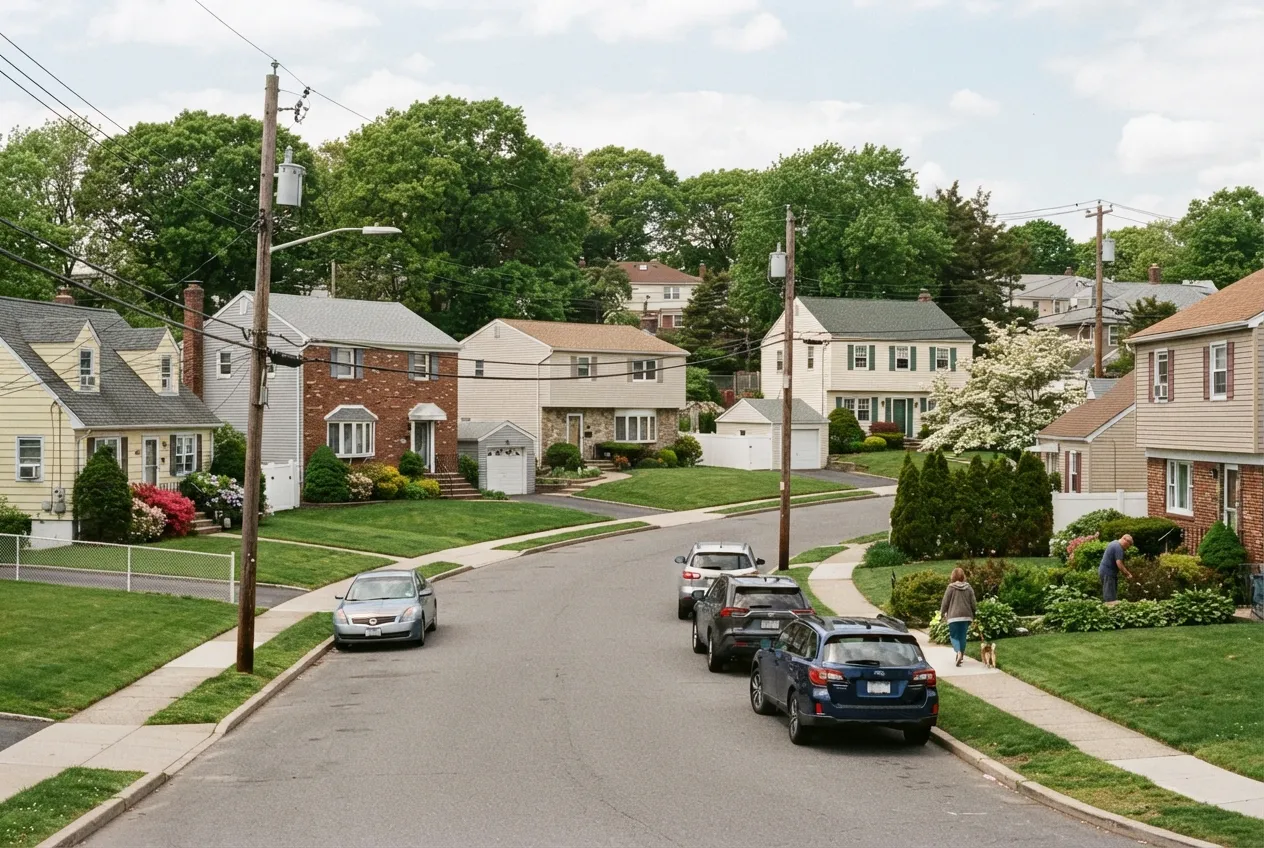
If your chimney flue is cracked, corroded, or no longer matched to the appliance venting into it, a new liner is usually the fix. EverHearth Chimney Service installs chimney liners for homeowners in Annadale, about 3 miles northeast of our Staten Island office. We serve both ZIP codes, 10309 and 10312. Most homes here are detached or semi-attached houses. Some have older masonry chimneys serving fireplaces, and others have flues venting a boiler or water heater. This page explains when a liner makes sense, what changes when you switch fuels, and what the job involves from inspection to final check.
Why Annadale chimneys end up needing a new liner
A liner protects the masonry and the house framing from heat, smoke, and corrosive exhaust. It also keeps the flue the right size so the appliance drafts properly. In many older chimneys the original liner is clay tile. Over decades of heating seasons, tiles can crack, joints can open, and mortar can wash out. Those gaps let heat and exhaust reach places they shouldn't.
Fuel changes are the other common trigger. When a New York City home converts its boiler from oil to gas, the chimney has to be evaluated as part of that work. A new liner is often needed because gas exhaust produces acidic condensate that can corrode a masonry flue. If you have already converted and never had the flue looked at, schedule an inspection before the next heating season.
- Cracked, shifted, or missing clay flue tiles
- Boiler or water heater converted from oil to gas
- A new furnace, boiler, insert, or stove that needs a differently sized flue
- Crumbling masonry, staining, or moisture damage traced to the flue
- An inspection that finds the existing liner unsafe
It starts with the right inspection
The NFPA 211 standard calls for chimneys, fireplaces, and vents to be inspected once a year. Chimney professionals use three inspection levels. A Level 1 inspection covers a system that hasn't changed. A Level 2 inspection applies when the system changes, such as a new appliance or a switch of fuel, or when the home is sold. A Level 3 inspection is needed when a hidden hazard can only be reached by opening part of the chimney or building.
Most liner jobs follow a Level 2 inspection, which includes a camera look down the full length of the flue. Our certified technicians use what they see to decide whether relining is needed and which liner fits. We show you the findings so you can see the condition of your own flue before you decide anything.
Choosing a liner for your fuel and appliance
There is no single right liner. The choice depends on what burns at the bottom of the chimney, how the flue is shaped, and how the appliance is rated. We size the liner to the appliance, because a flue that is too large or too small can draft poorly and leave exhaust lingering in the chimney.
- Stainless steel liners: the most common choice for gas and oil appliances and for many wood-burning inserts and stoves. They run continuously from the appliance connection to the top of the chimney.
- Insulated stainless liners: used where extra heat protection is needed or where insulation helps the flue warm up and draft properly.
- Cast-in-place liners: a poured, cement-like material formed inside the chimney. Useful where the masonry itself needs reinforcement.
- Clay tile replacement: possible in some chimneys, though it usually means more demolition and a longer job.
What installation day looks like
Before work begins, we protect the area around the fireplace or appliance and set up for safe roof access. If old tile has to come out to make room, we remove it. Then the new liner goes down the chimney and is connected at the bottom to the appliance or fireplace. At the top we fit a cap to keep out rain, debris, and animals.
Once everything is connected, we check that the appliance drafts correctly and walk you through what was done. Many stainless liner installs in a standard house chimney are finished in a single visit. Jobs that need tile removal, masonry repair, or a cast-in-place liner can take longer. We'll tell you what to expect after the inspection.
Timing your liner work around heat season
New York City's heat season runs from October 1 through May 31. If you rent out part of a two-family house, you have to keep tenants heated to the city's minimums during those months. Even in a single-family home, losing the boiler in January is no small thing. Scheduling liner work in late spring or summer means the flue is ready before you need it.
We also install liners in nearby neighborhoods, including Huguenot, Prince's Bay, Woodrow, Arden Heights, and Rossville.
More services in Annadale
- Chimney Sweep in Annadale
- Chimney Inspection in Annadale
- Chimney Repair in Annadale
- Air Duct Cleaning in Annadale