
The short answer
Have your Annadale chimney inspected once a year, as the NFPA 211 standard calls for, ideally before New York City's heat season begins on October 1. Most homes need a Level 1 inspection. A Level 2 is needed when you change fuel or appliances or when the home is being sold.
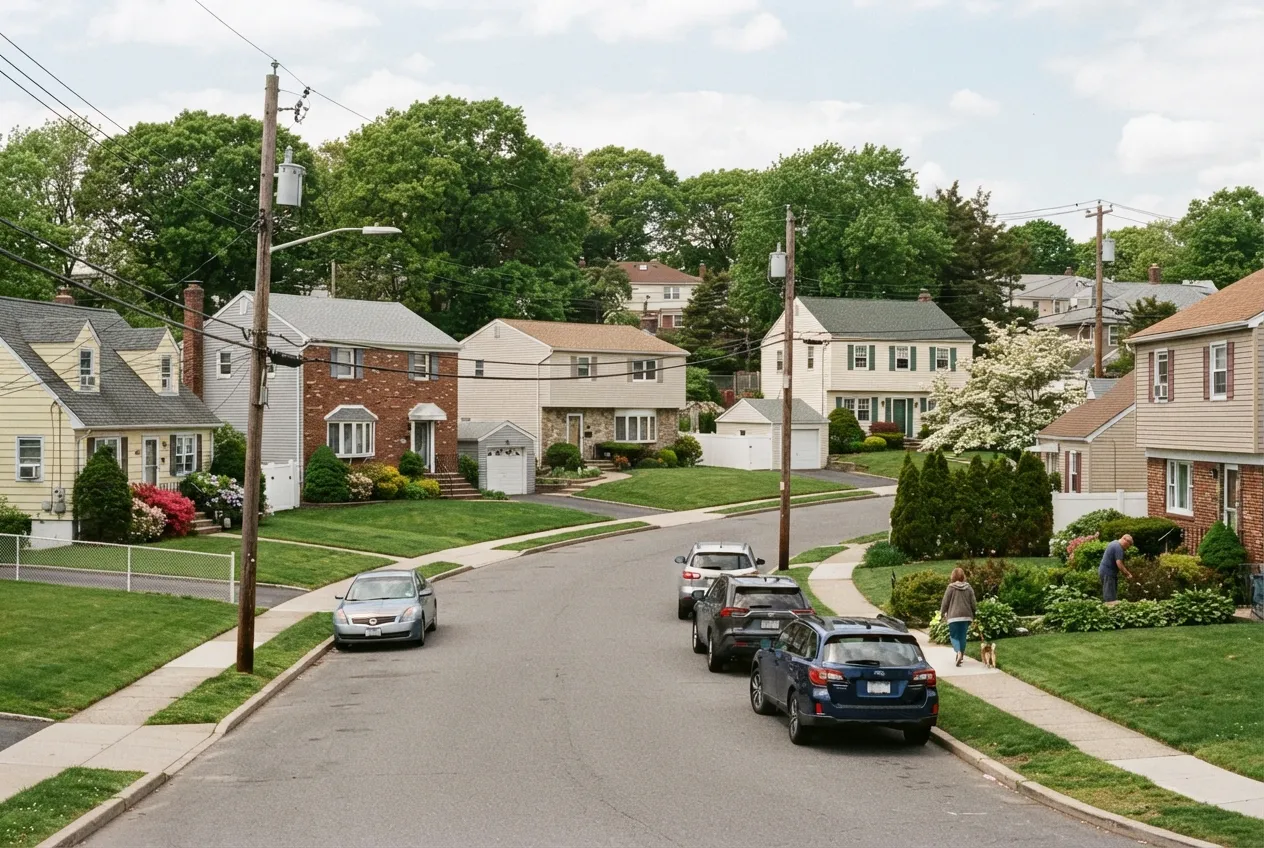
Annadale is mostly detached and semi-detached homes. Many have a wood-burning fireplace or a stove, and many have a chimney that quietly vents an oil or gas boiler, furnace, or water heater. Every heating season, those flues handle heat, moisture, and combustion byproducts. When something goes wrong, it usually happens out of sight: a cracked flue tile, a crumbling crown, a missing cap, or a liner that has started to corrode. EverHearth Chimney Service inspects chimneys throughout ZIP codes 10309 and 10312. Our office is about three miles from Annadale, so getting a technician to your home is simple.
Why Annadale Homes Need a Yearly Chimney Inspection
The NFPA 211 standard calls for chimneys, fireplaces, and vents to be inspected once a year. This applies even if you rarely light a fire. In many Annadale homes, the chimney's hardest job is venting the boiler or furnace, which runs for months at a time.
Timing matters here. New York City's heat season runs from October 1 through May 31, and building owners must keep apartments heated to the city's minimum temperatures during that time. If you own a two-family home with a rental unit, a chimney problem that shuts down the boiler in January becomes a much bigger issue. An inspection in late summer or early fall gives you time to fix anything we find before the heat has to stay on.
The Three Levels of Chimney Inspection
Chimney professionals use three inspection levels. We match the level to your situation instead of defaulting to the most involved option.
- Level 1: For chimneys where nothing has changed since the last inspection. We check the readily accessible parts of the chimney, the appliance connections, and the flue for buildup or blockages.
- Level 2: Needed when the system changes, such as a new boiler, a new stove, or a switch from oil to gas. Also needed when the home is sold. This includes a camera inspection of the flue's interior along with accessible areas like attics and crawl spaces.
- Level 3: Recommended only when a hidden hazard is suspected and the only way to reach it is to open part of the chimney or the building.
What Our Certified Technicians Check
Our certified technicians look at the chimney from the top down. That includes the exterior that takes Staten Island's weather and the interior that takes the heat.
- Chimney cap, crown, and the condition of the brick and mortar joints
- Flashing where the chimney meets the roof, a common source of leaks
- Flue liner condition, including cracks, gaps, and corrosion
- Creosote and soot buildup in fireplace and stove flues
- Damper, smoke chamber, and firebox
- Connector pipes from boilers, furnaces, and water heaters
- Nests, debris, or anything else blocking the flue
- Clearances between the chimney and nearby wood framing
Switching From Oil to Gas in Annadale
Many Staten Island homes still heat with oil, and some owners are considering gas. When a New York City building converts its boiler from oil to gas, the chimney has to be evaluated as part of the work. Gas exhaust produces acidic condensate that can corrode a masonry flue, so a new liner is often needed.
Because a fuel switch changes the system, it calls for a Level 2 inspection. Schedule it early in your planning, before the new boiler is installed. That way the liner question is answered up front instead of holding up the project.
Buying or Selling a Home in Annadale
A home sale is another reason for a Level 2 inspection. Sellers get a clear picture of the chimney's condition before listing. Buyers learn what they are taking on, whether that is a fireplace that needs repair or a liner near the end of its life. We explain what we found in plain terms so you can make decisions about the sale.
Serving Annadale and Nearby Neighborhoods
Along with Annadale, we inspect chimneys in Huguenot, Prince's Bay, Woodrow, Arden Heights, and Rossville. Whether you have a detached house with a fireplace or a semi-detached home with a shared chimney venting a boiler, we can help you keep it working safely through the heating season.
More services in Annadale
- Chimney Sweep in Annadale
- Chimney Repair in Annadale
- Air Duct Cleaning in Annadale
- Chimney Liner Installation in Annadale